image generation lab
Leaderboard Reviews By category

Hands-on benchmark · · August 2026

GPT Image 2 AI review: nine prompts tested, first output kept and scored

The first tool we’ve tested that can actually spell

We ran OpenAI's GPT Image 2 through the same nine prompts as every other generator, first output kept, no re-rolls. It scored the highest of any tool we've tested, produced two flawless images, and did something none of the others could: render full, legible text. Every output is below, scored and dissected.

GPT Image 2 · at a glance
MakerOpenAI
Tested viaLeonardo's GPT Image 2 integration
TypeText-to-image, OpenAI's image model
AccessVia ChatGPT, the API, and partner platforms
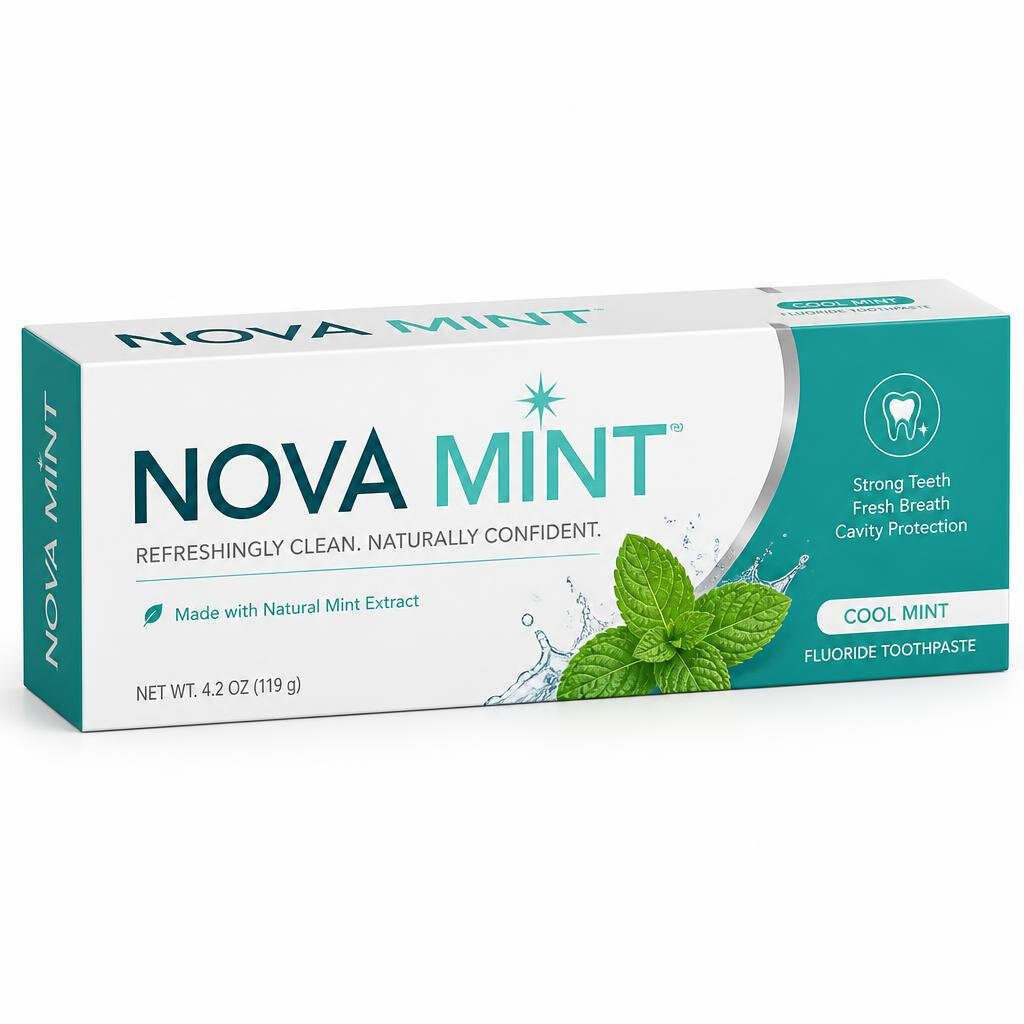
Best atText in images, by a wide margin: legible taglines, product labels, and multi-line foreign-language signage no other tool we tested can render.
Weak atNothing badly. Its anime linework is a touch softer than the sharpest specialist, and it favours very dark, moody shadows.
Bad atNothing. It led or tied every category in our benchmark, the only tool to do so.
9identical prompts, every tool
1stoutput kept, no re-rolls
2perfect 10.0 images
0sponsored placements
THE VERDICT

GPT Image 2 is the strongest image generator we have tested, and it is not close. It scored 9.4, produced the only two perfect images in our benchmark, and led or tied every single category. Its defining edge is text: it is the first tool that can render a full product label or a line of foreign-language signage without garbling it. On photorealism, hands, product, and spatial accuracy, it either matches or beats every rival. It has no genuine weakness.

Best for

Anything with text in it (packaging, posters, signage, labels), plus photoreal scenes, product shots, and precise layouts. The most capable all-round generator available.

Watch for

A tendency toward very dark, moody shadows, and anime linework slightly softer than a dedicated anime model. Access and pricing depend on the platform you reach it through.

Category scores, broken down

Two prompts per category (one each for hands and product), averaged. The overall 9.4 is the mean of all nine images, the highest in our benchmark.

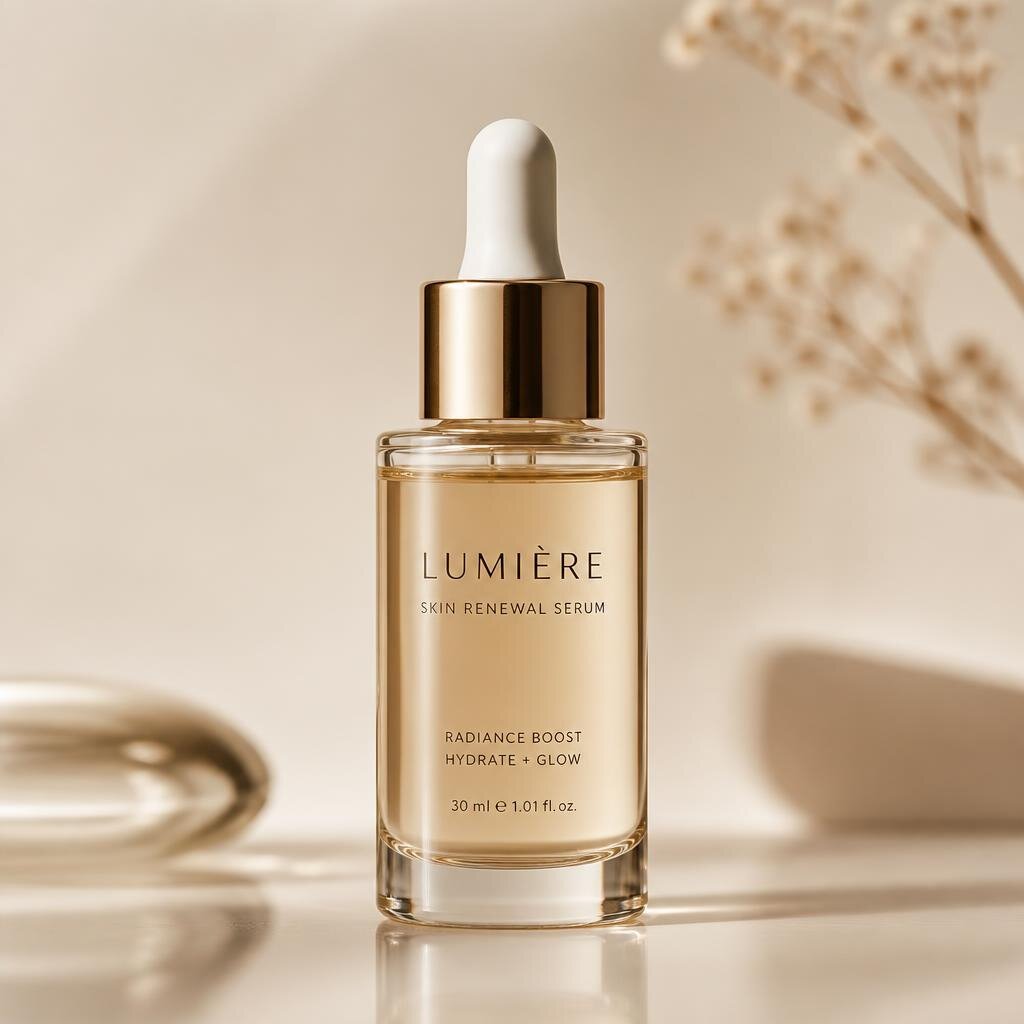
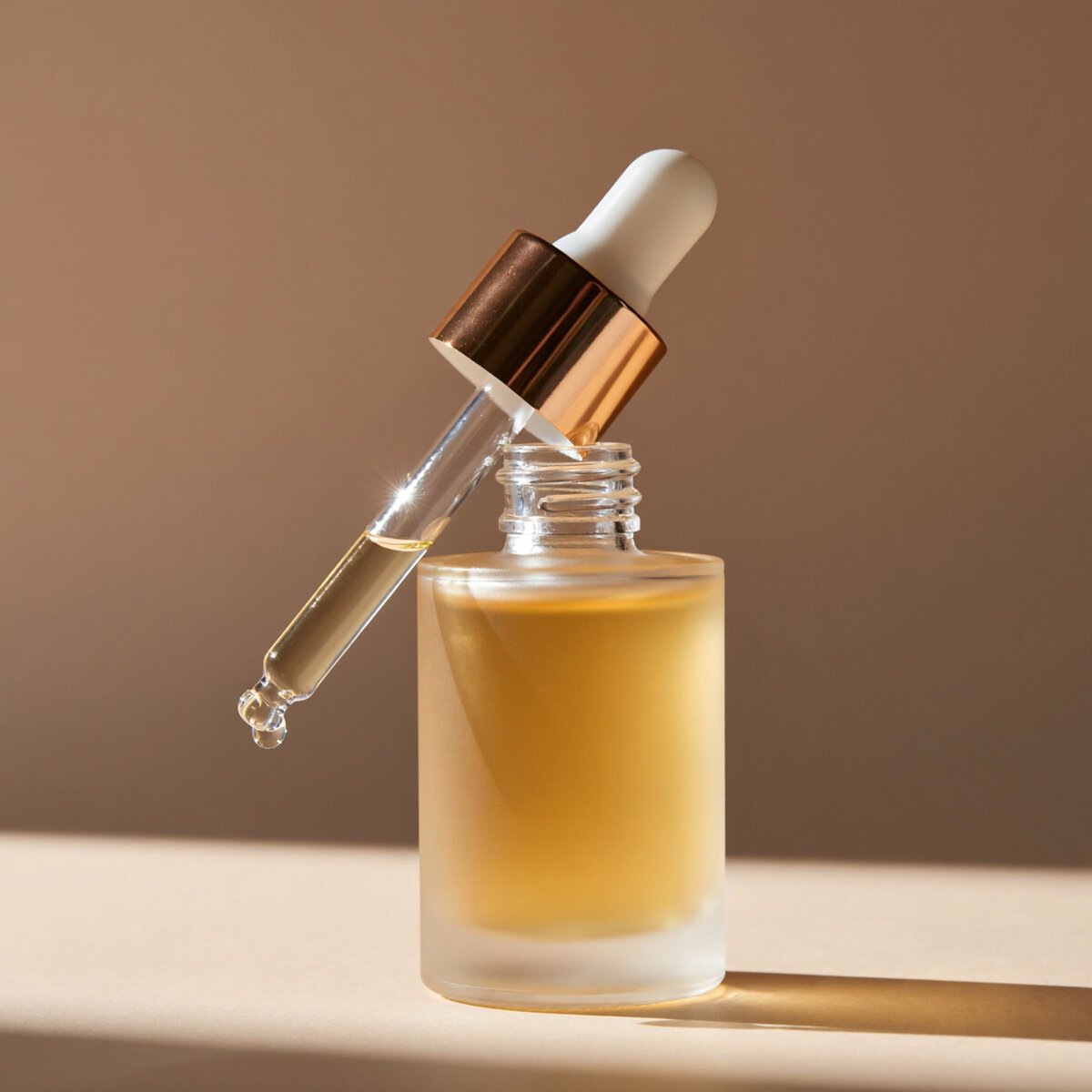
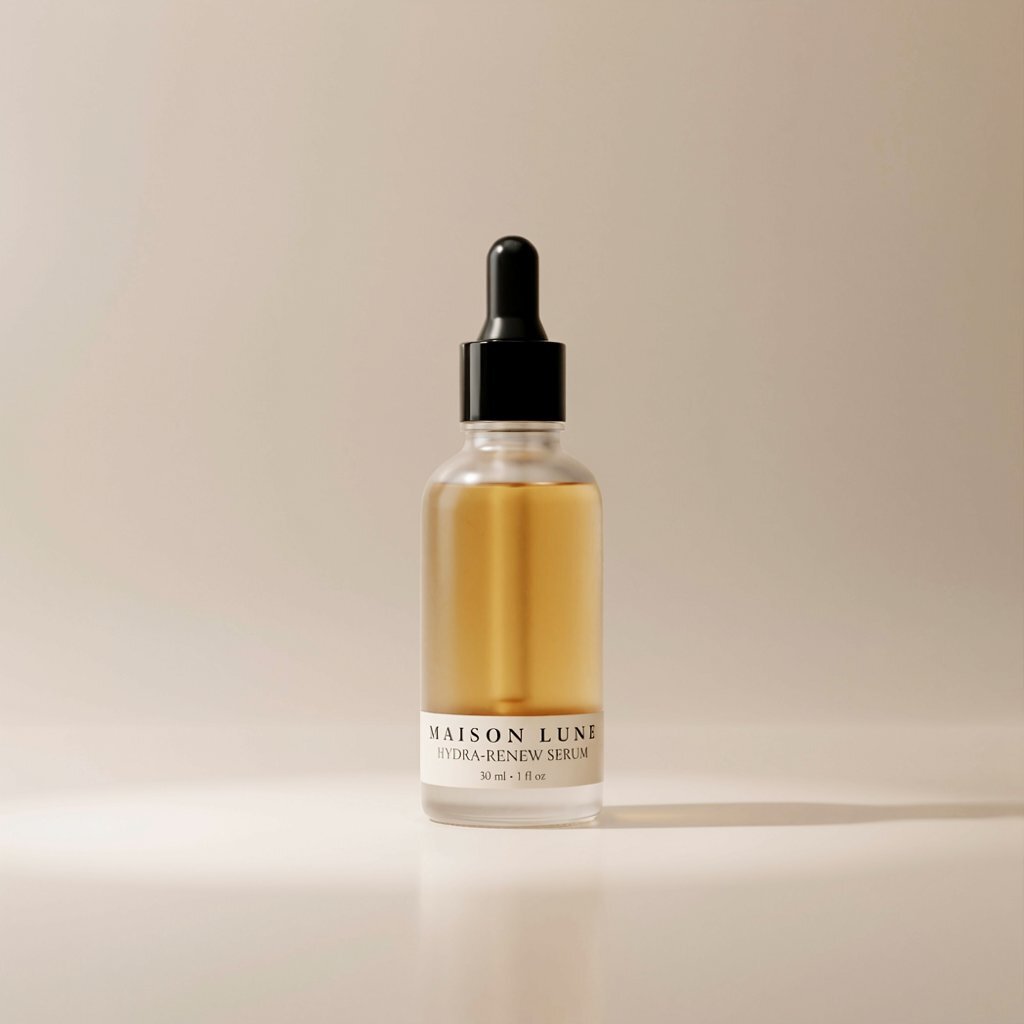
Product shot10.0

A perfect, fully-labelled retail bottle. The best product image in our benchmark.

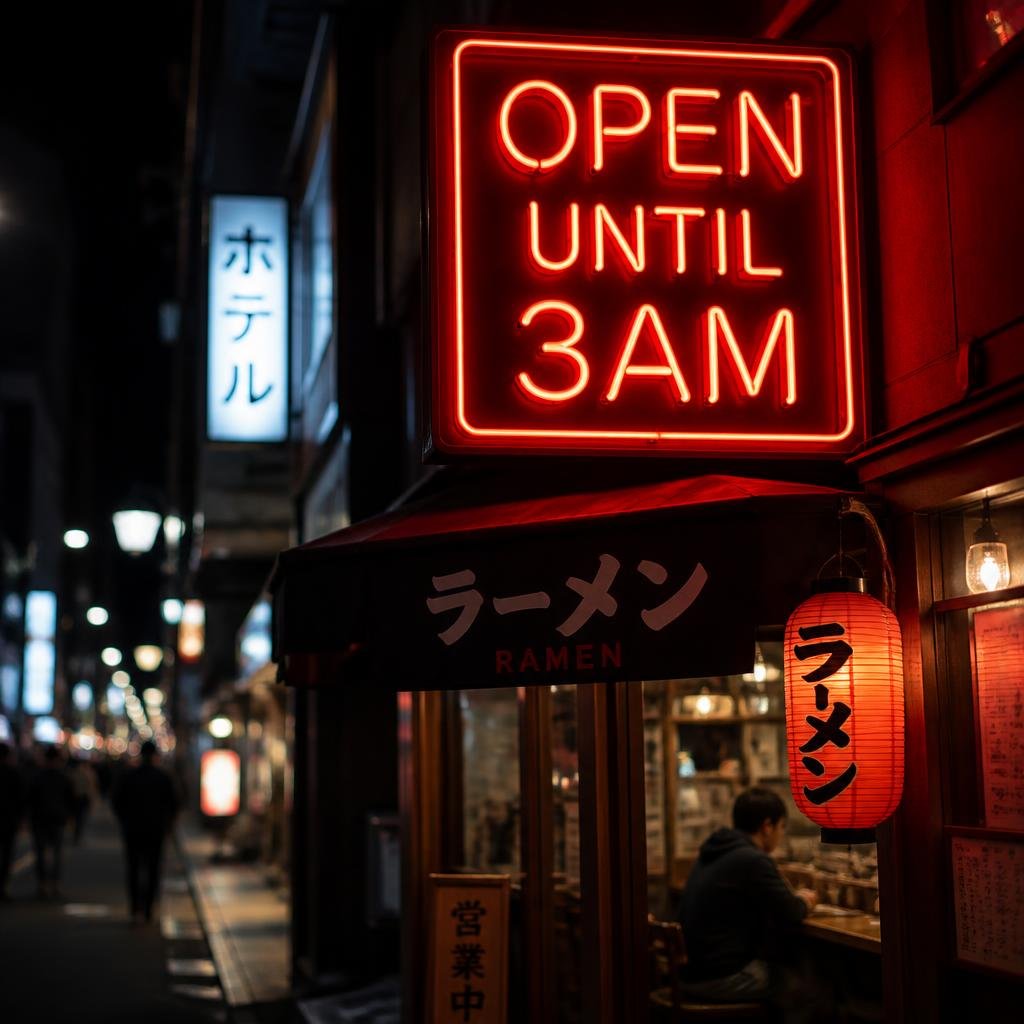
Text rendering9.8

In a class of its own. The only tool that renders full legible text and real Japanese.

Photorealism9.5

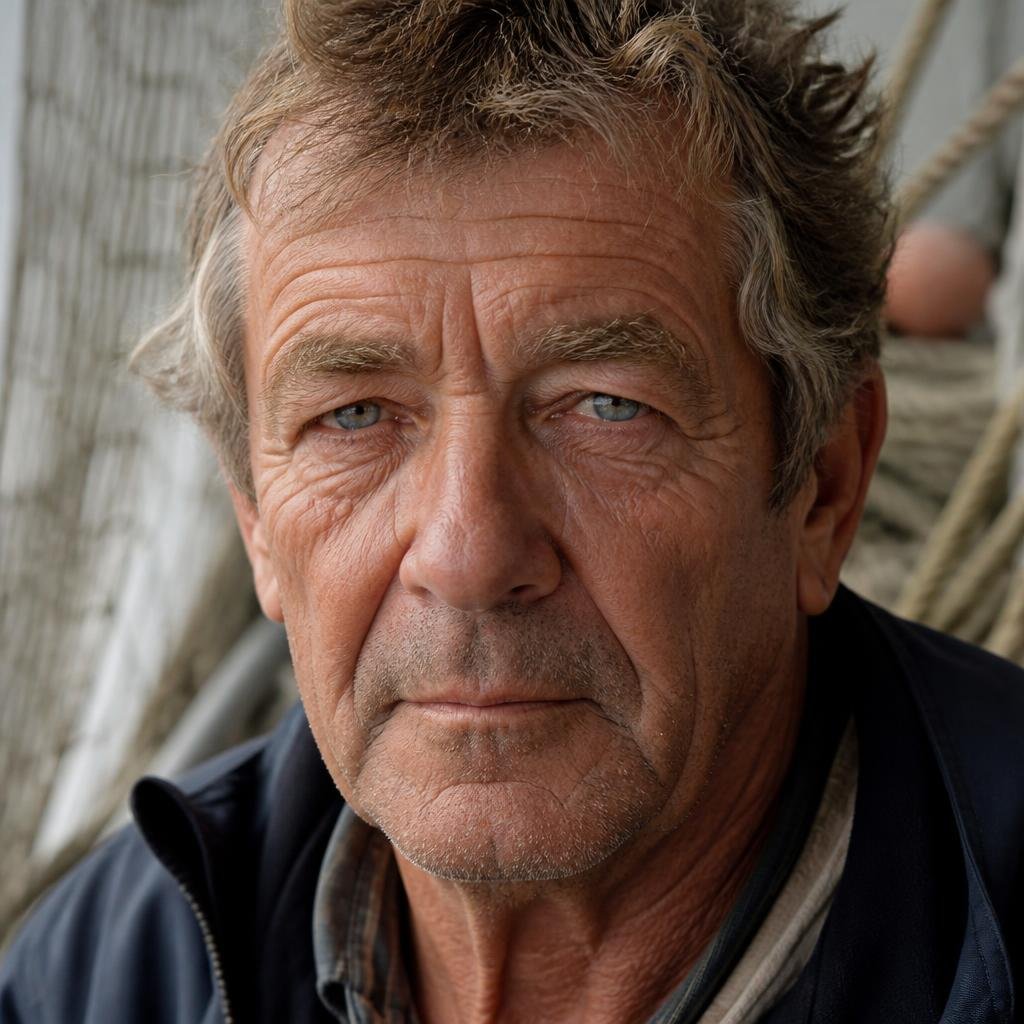
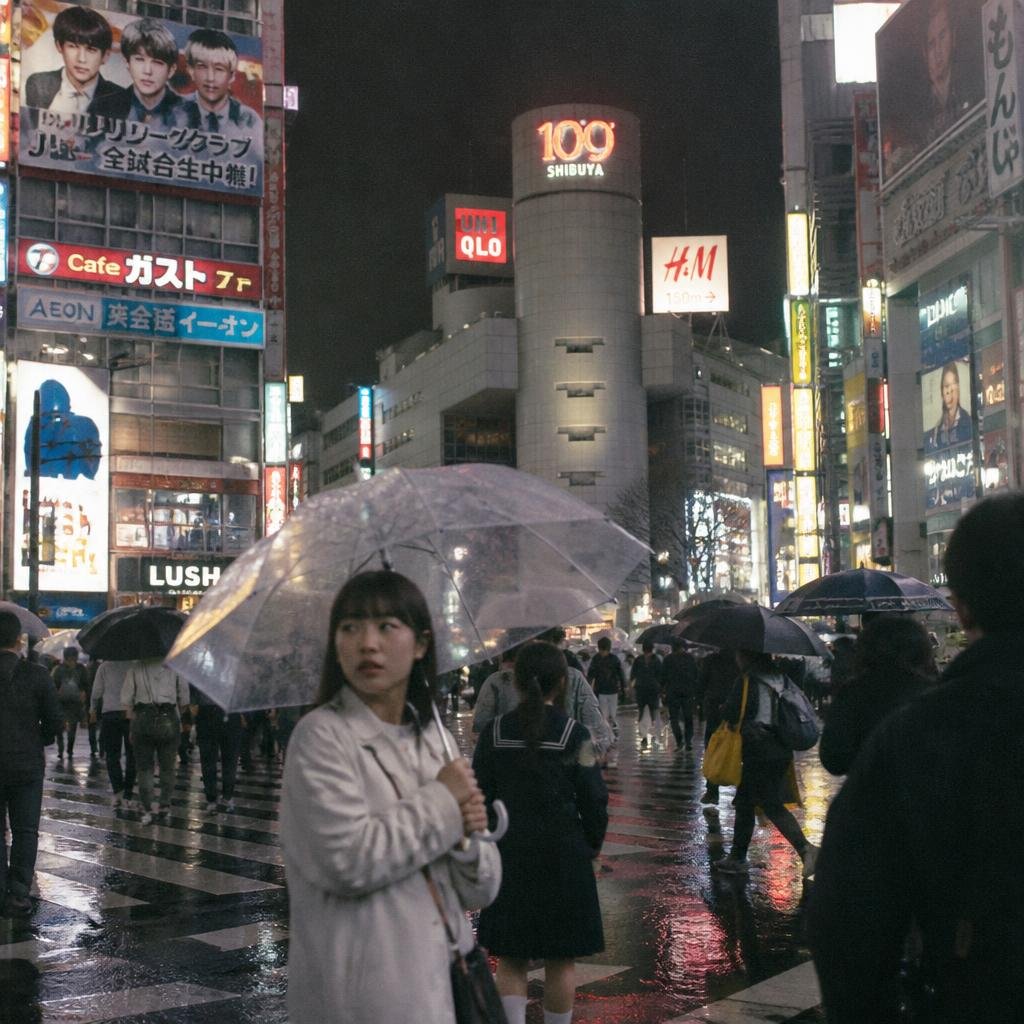
Elite faces and the only Tokyo scene with real brand signage.

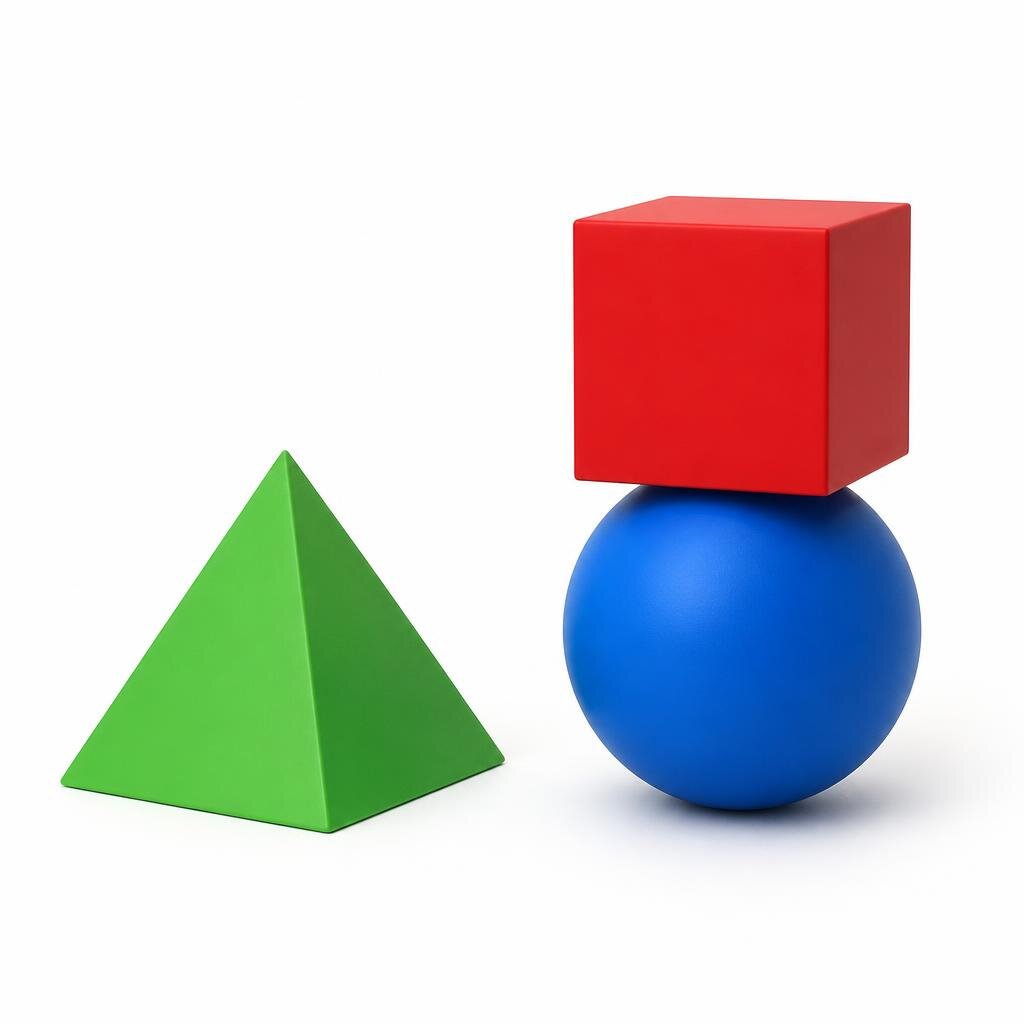
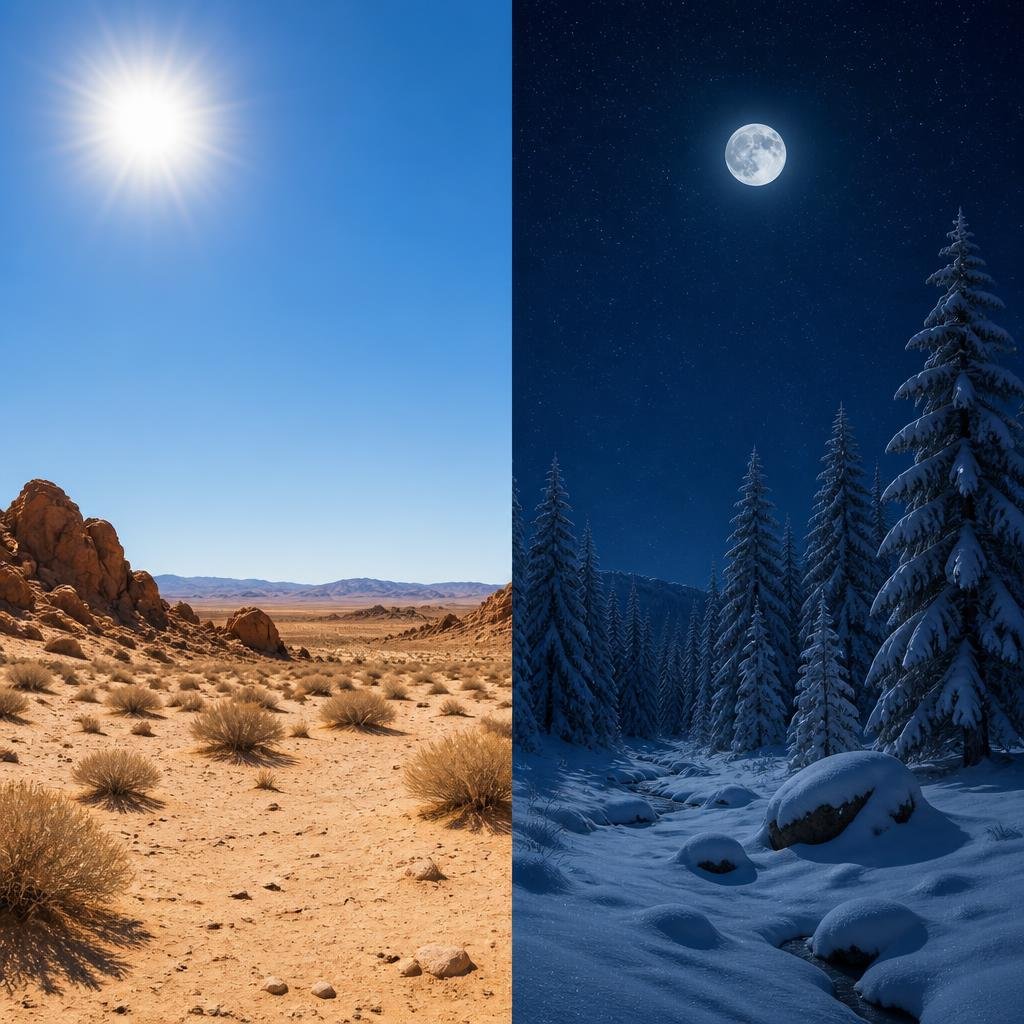
Adherence9.2

Passed both hard spatial prompts, including noon and the split scene.

Hands & anatomy9.0

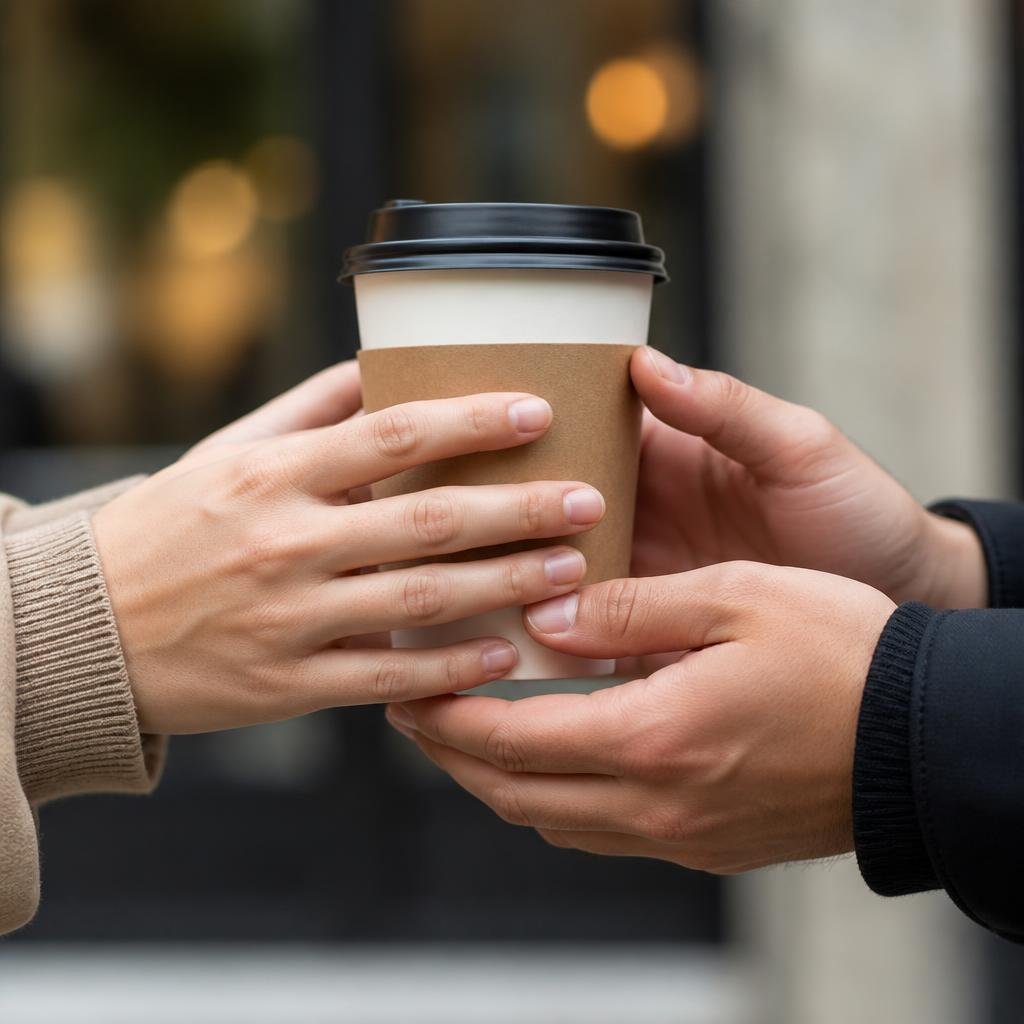
The cleanest two-person exchange we've tested, anatomy intact.

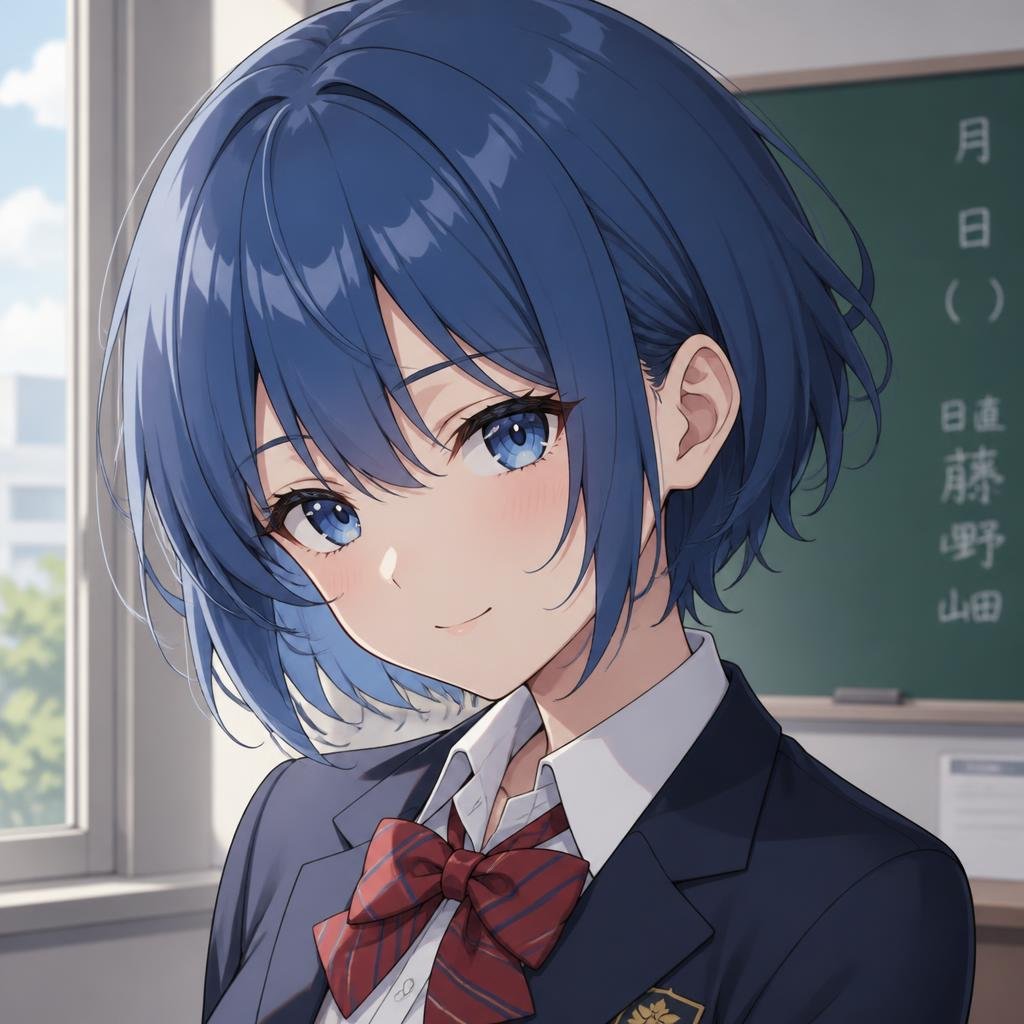
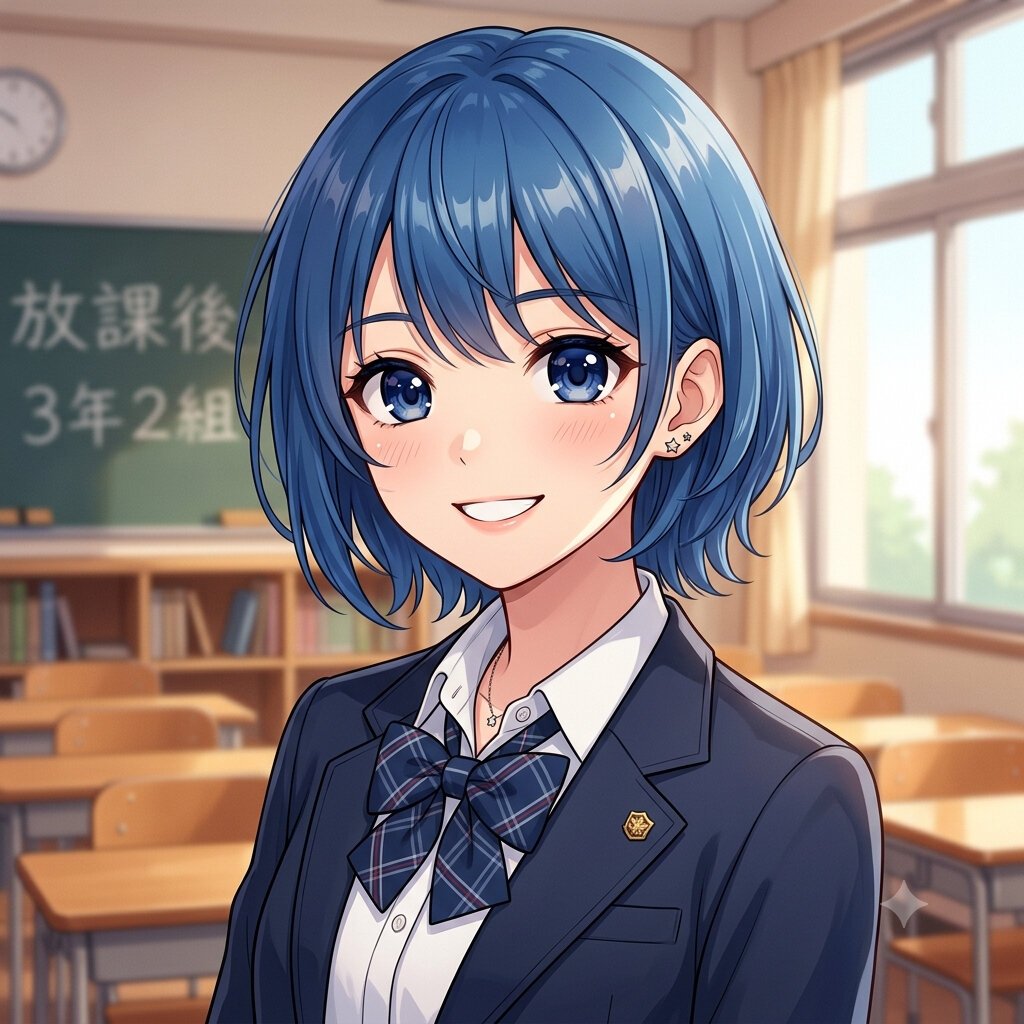
Anime & style9.0

Genuine soft cel shading, level with the best anime tools.

How it compares

The text gap, in numbers

Text is where the leaderboard is really decided. GPT Image 2 scored 9.8 on text. The next best, Ideogram, scored 9.2, and Ideogram gets there by nailing hero words while still garbling taglines. Every other tool we tested scored between 6.3 and 8.2, garbling secondary text entirely. GPT Image 2 is the only one that renders full sentences and foreign scripts, which is exactly the capability most real design work depends on.

Strengths, and the honest limits

Every point below traces to a specific image above. GPT Image 2's profile is the most complete we've charted.

Strengths

What the nine images add up to

  • Text is a solved problem here, and that changes what you can make. Because it renders full labels, taglines, and signage reliably, GPT Image 2 is the first tool you can actually use for packaging, ad mockups, or anything with words in it, without editing text back in afterward.
  • It grounds scenes in real references, not generic stand-ins. Given a Tokyo crossing it produced the real landmark and real brand signage; given a fisherman it added real gear. For briefs where authenticity matters, it invents less and recognises more.
  • Its consistency is the real story. Every rival we've tested has at least one category it fails. GPT Image 2 has none, which makes it the safest single tool to reach for when a project spans many kinds of image.
  • It holds up under scrutiny, not just at a glance. The hardest tests, hands and dense crowds, are where tools usually fall apart on close inspection. Here they stay clean at full resolution, which is what separates a demo-quality tool from a production one.
Trade-offs

What to plan around

  • It leans dark, so light your brief deliberately. Its instinct is moody, low-key lighting that crushes shadow detail. Beautiful for atmosphere, but if you need bright, evenly-lit product or editorial shots, say so explicitly in the prompt.
  • For the crispest anime, a specialist still wins. Its cel shading is genuine and excellent, but if razor-sharp anime linework is the whole point of your project, a dedicated model edges it. For everything else illustration-related, it is more than enough.
  • There is no single front door. The same model sits behind ChatGPT, the API, and partner platforms, each with its own pricing, limits, and quirks, so your experience depends on the route you pick rather than one predictable app.
  • Mind the middleman on prompts. Some front-ends silently rewrite your prompt before it reaches the model, which changes results. We tested through a platform that passes prompts directly; if yours doesn't, your output may differ from ours.

Our testing method, and why it's fair

Most best-of lists rank tools the author never opened. We do the opposite, and the method is deliberately strict so the scores mean something.

Every tool gets the identical nine prompts, pasted verbatim. We use default settings and keep the very first image, with no re-rolls and no picking the best of a batch. We tested GPT Image 2 through Leonardo's integration of the model, which passes prompts directly, so the nine scores reflect OpenAI's image model itself rather than a front-end that rewrites your prompt.

We sell nothing on this list, so there is no commercial reason to rank one tool over another. The scores are the scores.

01

Same nine prompts, every tool

Two prompts each for text, photorealism, and spatial adherence, plus one each for hands, product, and anime.

02

The model itself, first output

Tested through a platform that passes prompts directly to GPT Image 2, keeping the first image, no re-rolls.

03

Three axes, full resolution

Adherence, coherence, and aesthetic, each scored at full size where artefacts actually show. Averaged per image.

04

No sponsorship, nothing for sale

We don't sell the tools we rank. Outbound links go to the tool's official site and are not affiliate links.

Quick answers

Is GPT Image 2 the best AI image generator?

In our benchmark, yes. GPT Image 2 scored 9.4, the highest of any tool we've tested, and led or tied every category. Its decisive advantage is text rendering, where it is the only tool that can produce full legible labels, taglines, and foreign-language signage. For all-round capability, nothing else we tested matches it.

Is GPT Image 2 good at text?

GPT Image 2 is the best we have tested, by a wide margin. It scored 9.8 on text and was the only tool to render a complete product label, a full tagline, and correct multi-line Japanese without garbling. Every other generator we tested falls apart on text beyond a single word, which makes this its standout strength.

How do I use GPT Image 2?

GPT Image 2 is OpenAI's image model, reachable through ChatGPT, the OpenAI API, and partner platforms that integrate it (we tested it through Leonardo's integration). Access, limits, and pricing depend on which route you use. There isn't a single dedicated app, the same model powers several products.

Is GPT Image 2 good for realistic images?

Very. GPT Image 2's photorealism scored 9.5. Its fisherman portrait showed real fishing nets with authentic weathered skin, and its Tokyo street scene rendered the actual Shibuya crossing with correct brand signage, grounding images in real-world detail rather than generic plausibility.

GPT Image 2 vs Ideogram, which is better for text?

GPT Image 2, clearly. Ideogram (9.2 on text) is excellent at hero words and short phrases, but still garbles longer taglines. GPT Image 2 (9.8) renders full sentences, complete labels, and foreign scripts cleanly. If your work needs blocks of legible text, GPT Image 2 is the stronger choice.

Does GPT Image 2 have a free version?

Access depends on the platform. It's available in ChatGPT (including limited free use), via the paid OpenAI API, and through partner tools that each set their own free tiers and pricing. There's no single answer, GPT Image 2 varies by how you reach the model. Check the specific platform you plan to use.

How did you test GPT Image 2?

We ran nine fixed prompts through Leonardo's integration of GPT Image 2, which passes prompts directly to the model, and kept the first image each time with no re-rolls. Every generator we review gets the identical nine prompts, scored on the same three-axis rubric. We sell none of the tools we rank, and we disclose exactly how we accessed the model.

Can I use GPT Image 2 images commercially?

Yes, under OpenAI's terms. Images generated through ChatGPT or the OpenAI API can be used commercially, subject to OpenAI's usage policies, and there is no watermark on output. Access is bundled with paid ChatGPT and API plans rather than sold as a separate image licence, so check OpenAI's current terms before shipping client work.

THE BOTTOM LINE

The new benchmark leader, and the first tool that can spell

It renders full, legible text where every rival garbles it, and gives up nothing elsewhere. If your work involves any text in the image, this is the tool to reach for. For almost everything else, it is still the most capable option we've tested.

Buy it if

You need legible text in images (packaging, posters, labels, signage), or you want the single most capable all-round generator available.

Look elsewhere if

You want the crispest possible anime linework, or a single dedicated app with predictable pricing rather than model access spread across platforms.