IMAGE GENERATION LAB · · Updated August 2026
The best AI image generators, benchmarked on nine identical prompts
Two tools tie for first, but the honest answer is that the best one depends on what you are making, text, product shots, anime, hands. We put ten of them through the same hands-on test to find out, and published every result. Here is who wins, and where each one falls apart.
Most “best of” lists rank tools the author never opened. Here’s what we actually do.
One test, run the same way for every tool. No retries, no favourites, nothing hidden. Watch how it works, then scroll for the results.
Ten tools
Every generator worth testing, from frontier models to free community platforms.
The same nine prompts
Identical wording, pasted verbatim into every tool on default settings. No prompt engineering per tool.
Keep the first outputno re-rolls
Whatever the tool returns first is what gets scored. No coaxing a better result, no picking the best of a batch. This is the rule that makes the score honest.
Scored three ways
Adherence, coherence and aesthetic, each out of ten, graded at full resolution where the flaws show.
Every image published
All 90 results live in the reviews, wins and failures alike. You check our work, not our word.
The result: GPT Image 2 and Nano Banana 2 tie at the top with 9.4 of 10. Below them, the right pick depends entirely on the job, which is what the rest of this page is for. We sell none of the tools we rank.
One prompt, ten tools: see the gap for yourself
We asked every tool for a neon sign reading “OPEN UNTIL 3AM” (it’s the first of the nine prompts further down). Here is the first image each returned, ordered by text score. You don’t need a rubric to see where legible spelling stops and melted glyphs begin, which is exactly why we test this. Click any result for its full review.
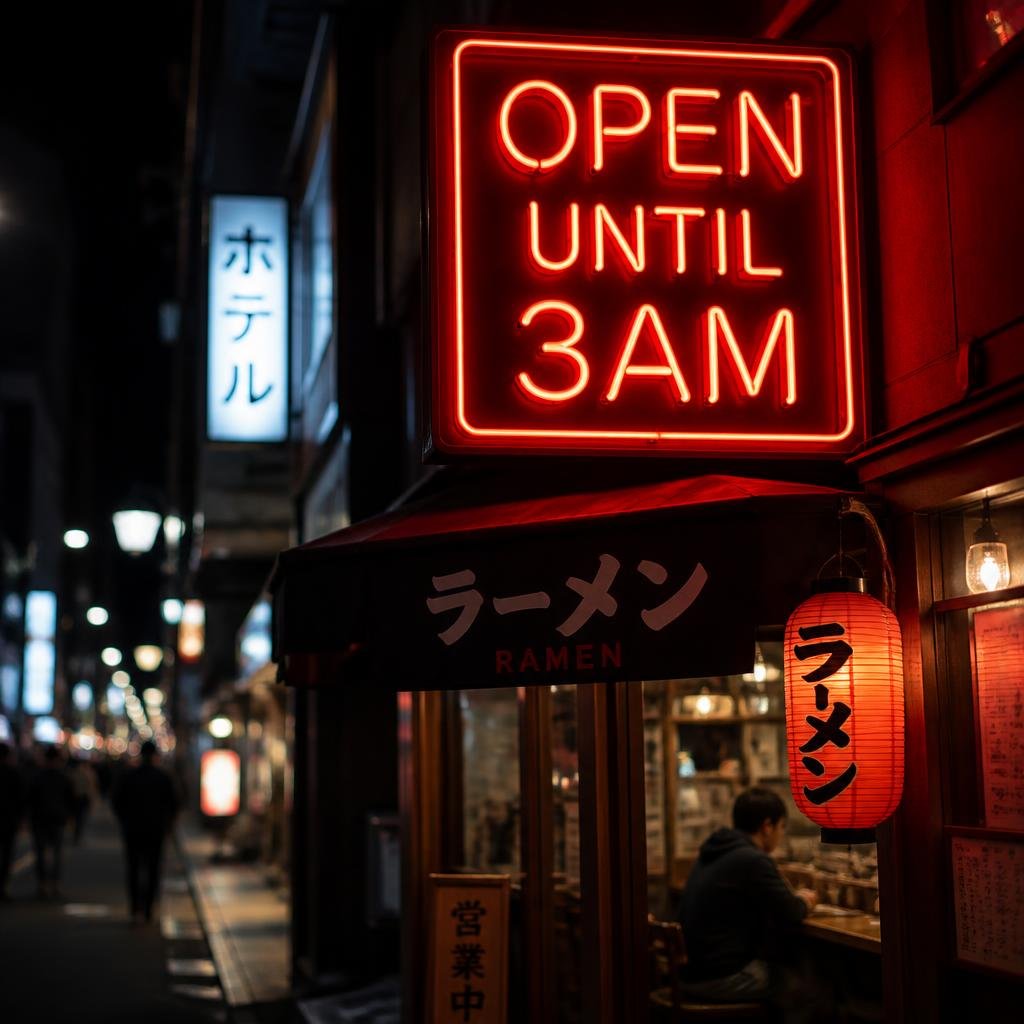 9.8
9.8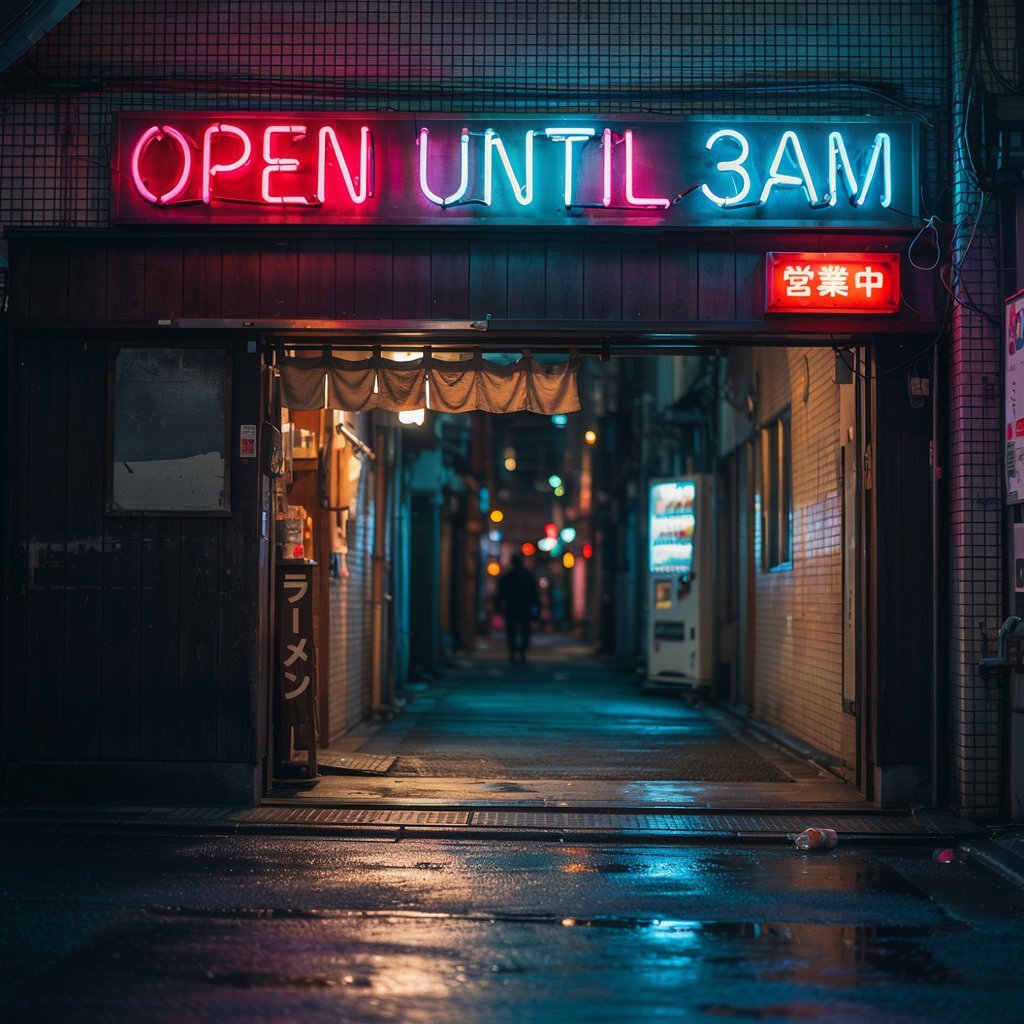 9.2
9.2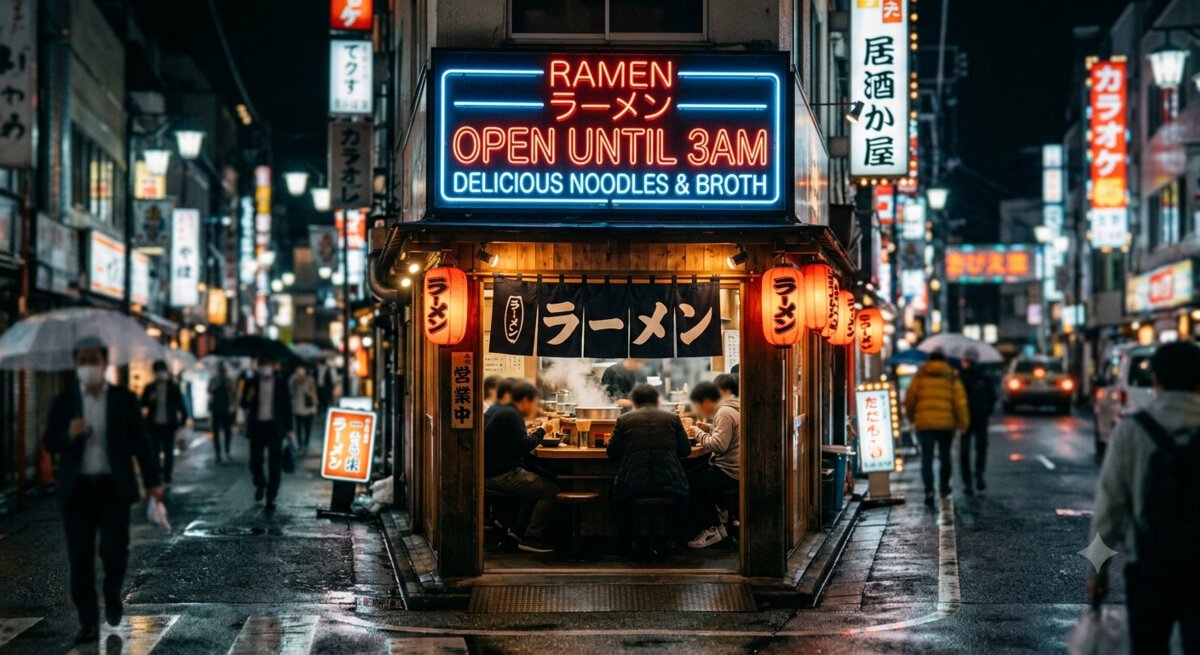 9.0
9.0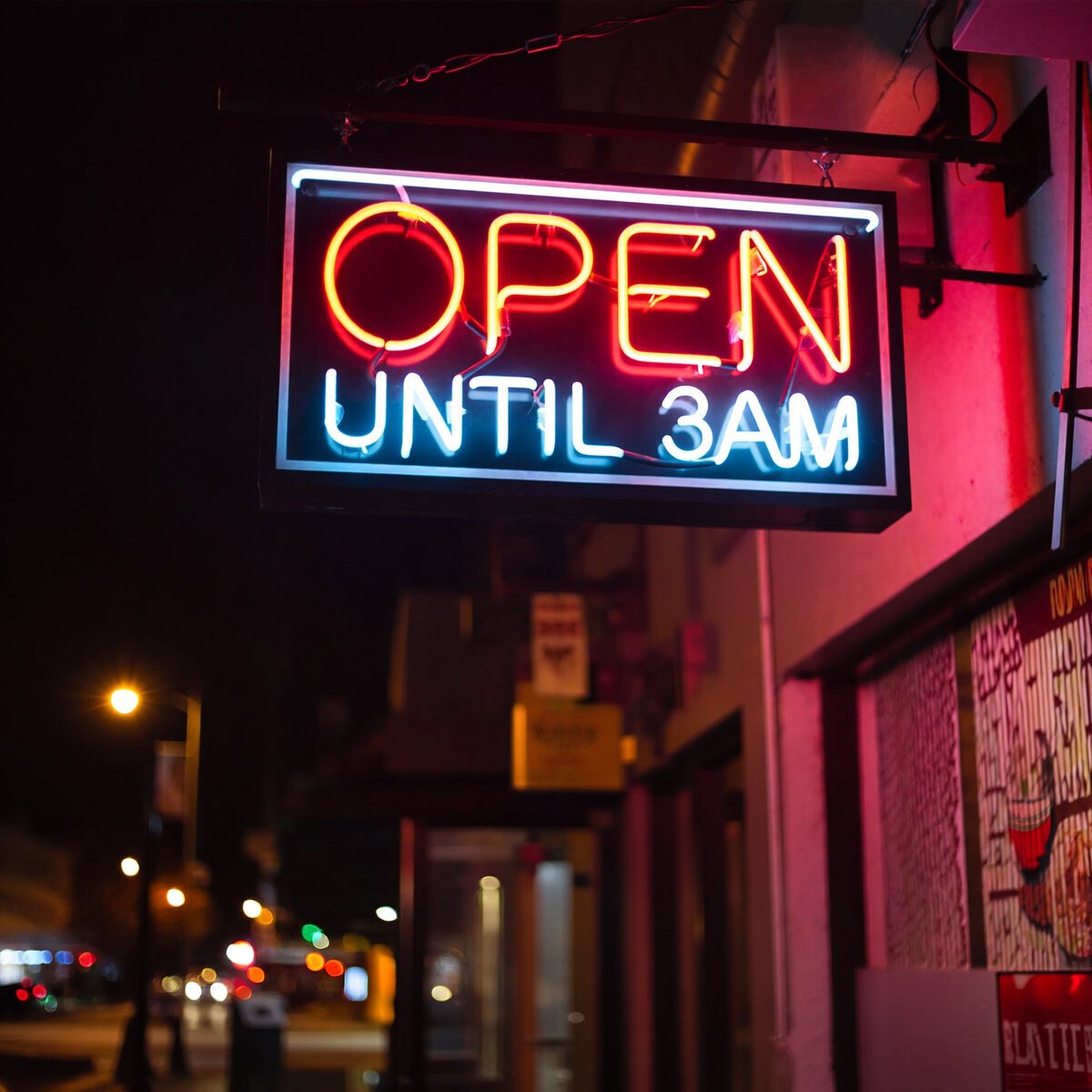 8.7
8.7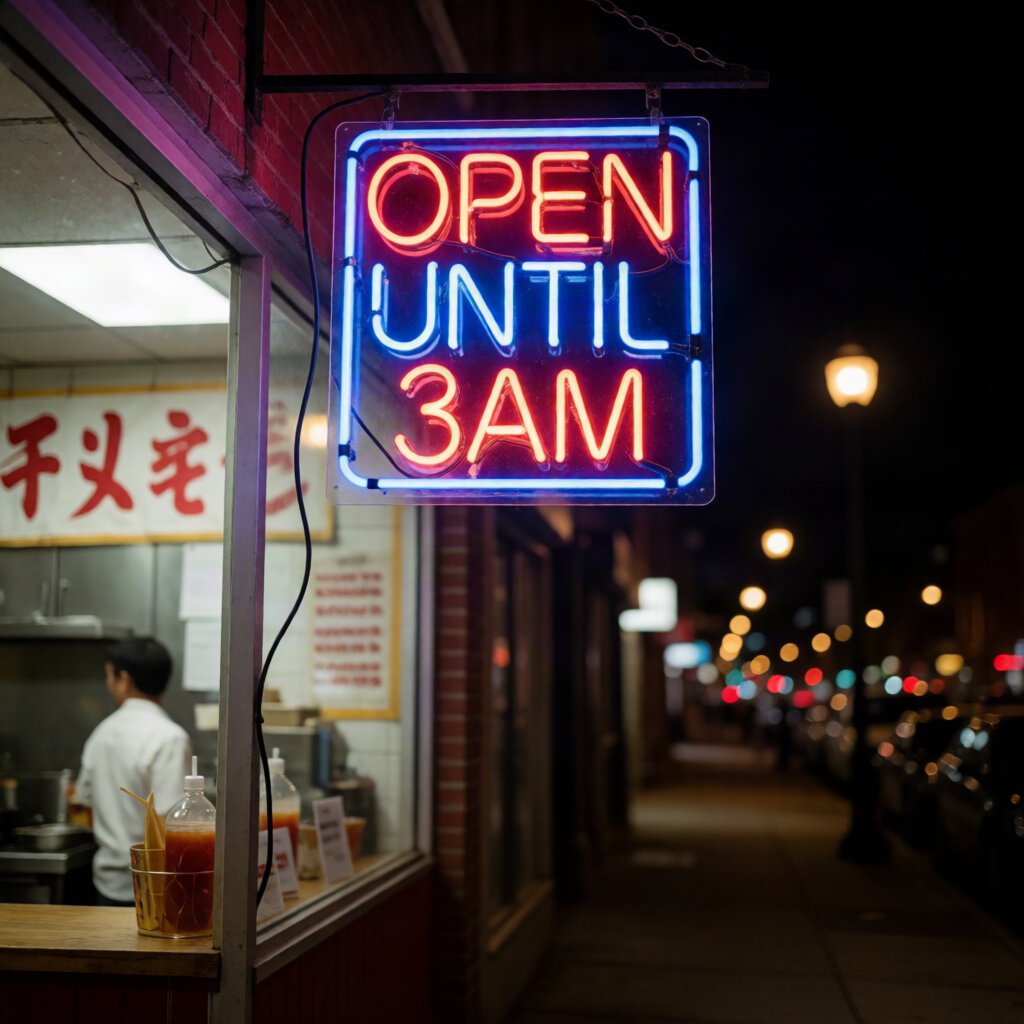 8.2
8.2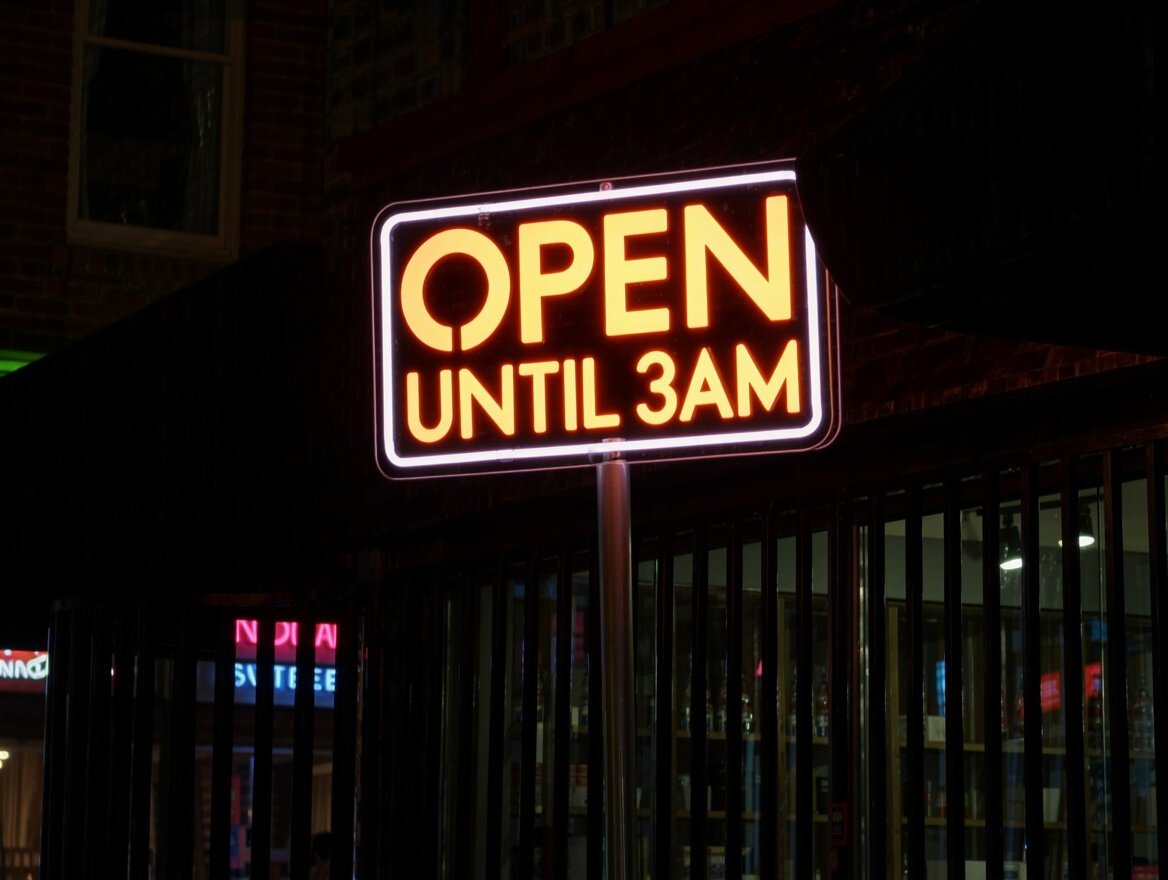 7.8
7.8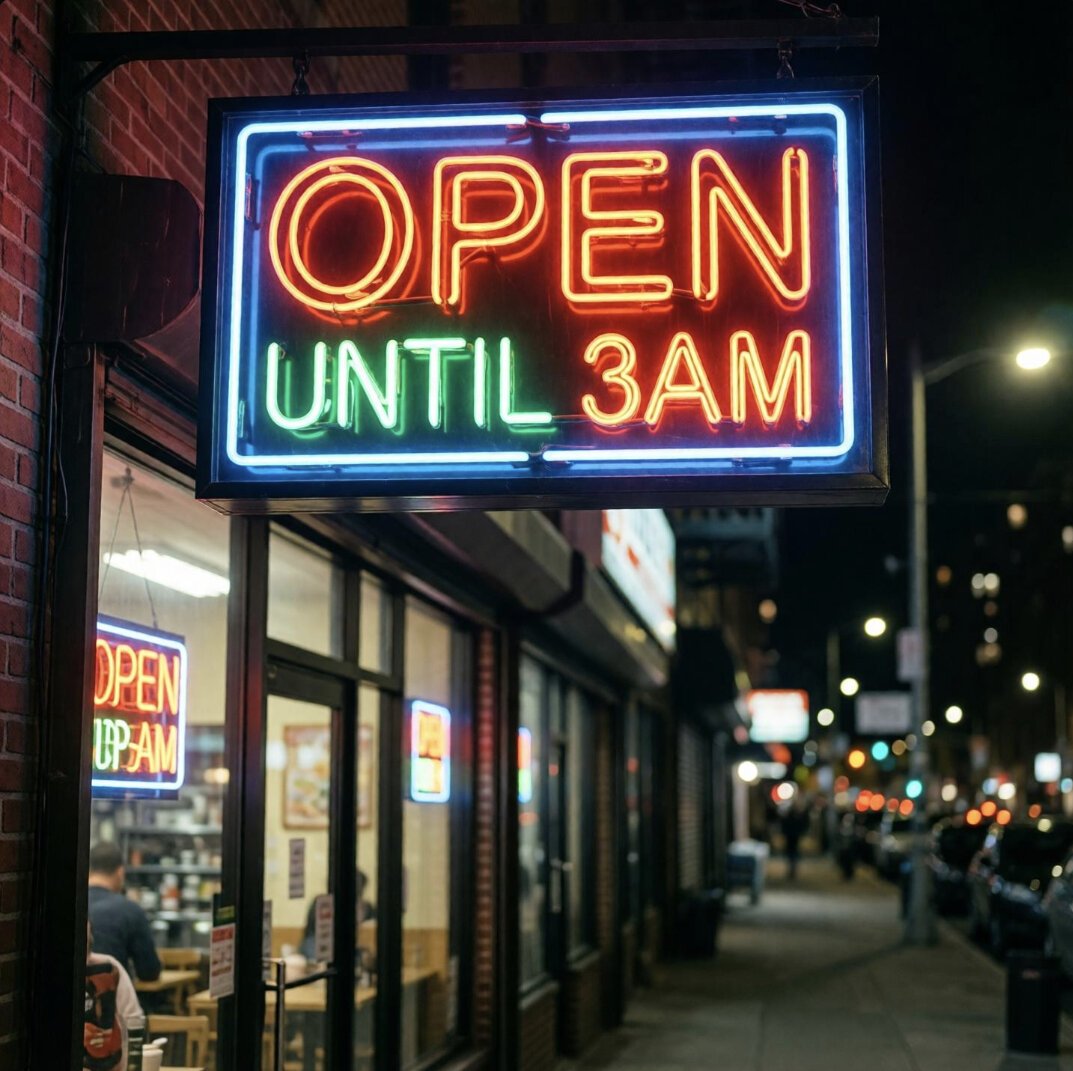 7.5
7.5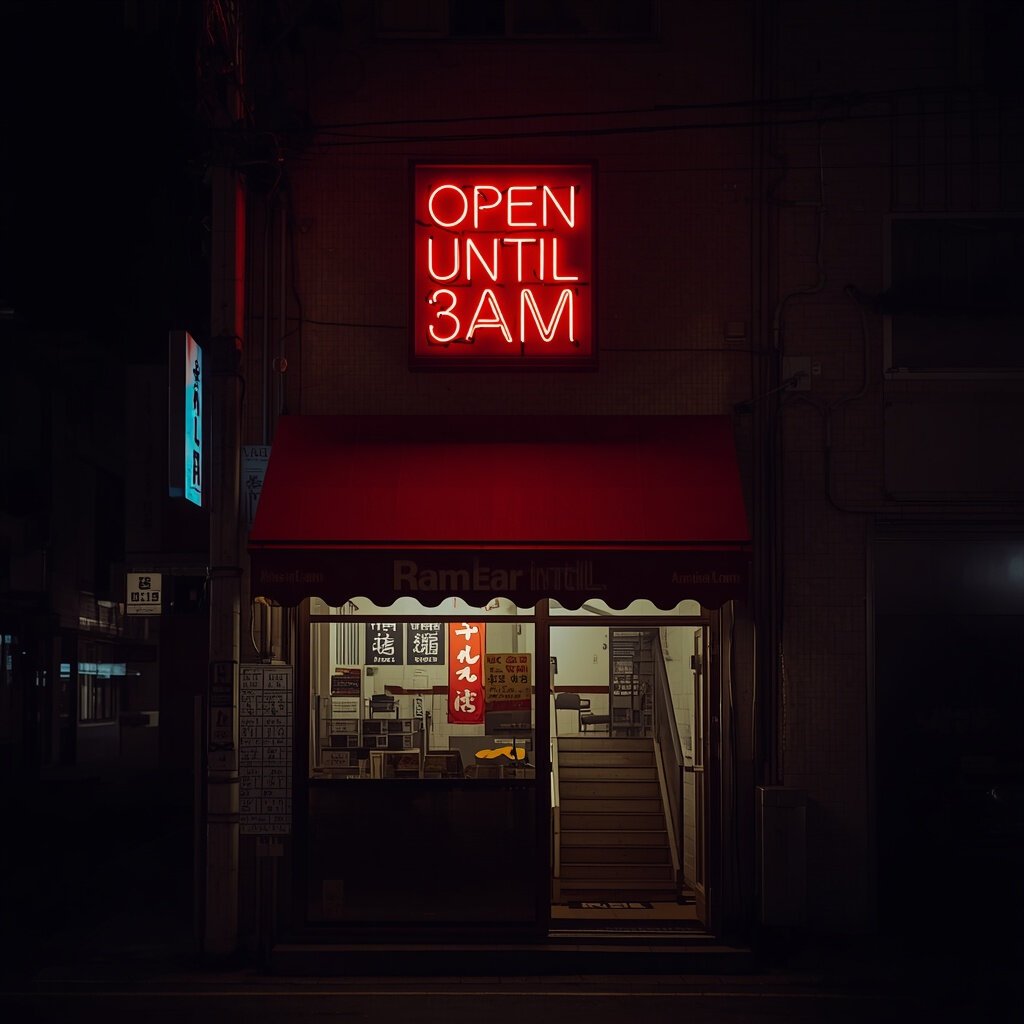 7.3
7.3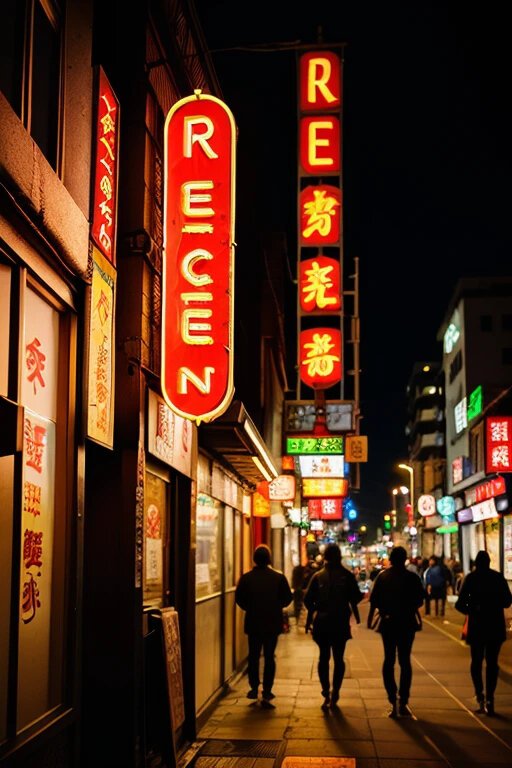 6.3
6.3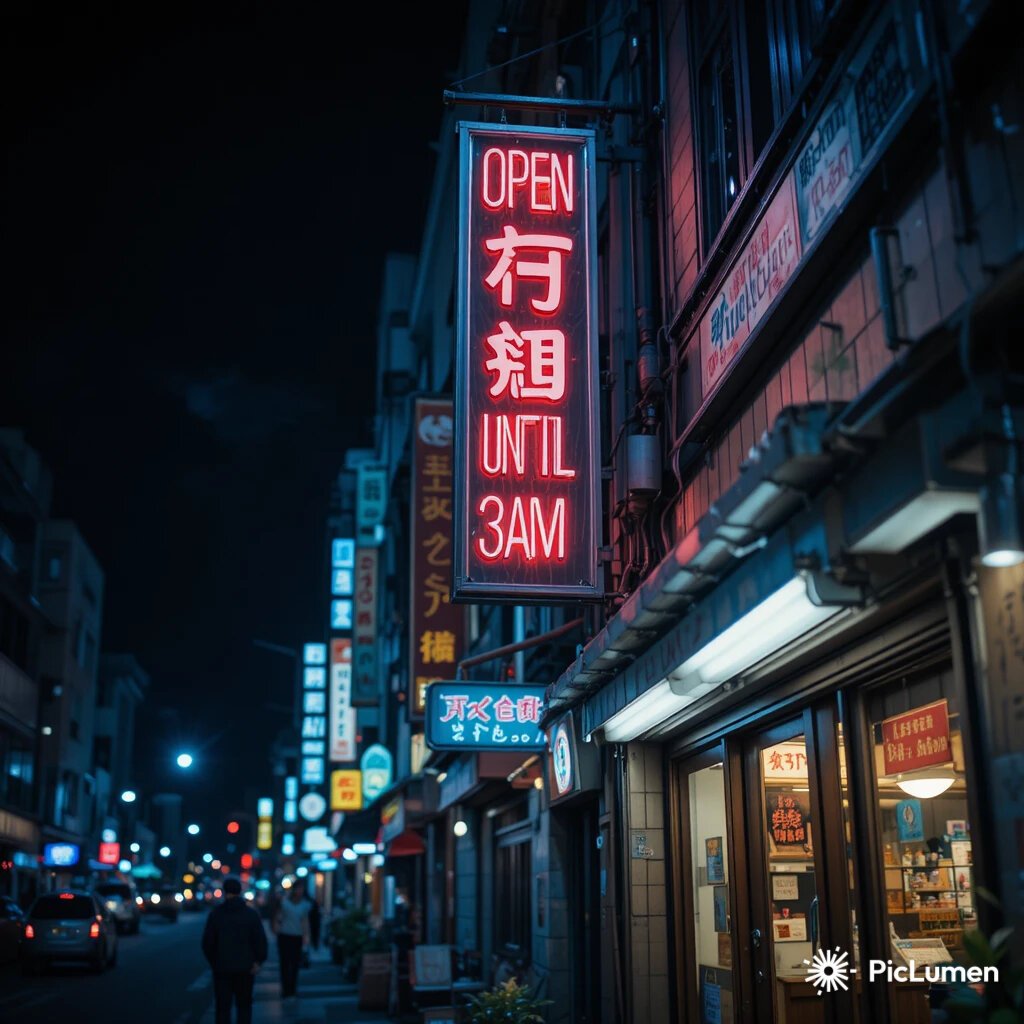 6.3
6.3The score under each image is that tool’s text category result out of ten. The same spread plays out across hands, product shots and spatial layouts, all nine prompts are in every review.
The leaderboard
Ten tools, ranked by overall score, the mean of all nine image scores. Green is strong, amber middling, red a real weakness. Click any row for the full review with every image.
| # | Tool | Overall | Text | Photo | Hands | Product | Anime | Adhere |
|---|---|---|---|---|---|---|---|---|
| 1 | GPT Image 2 |
9.4 | 9.8 | 9.5 | 9.0 | 10.0 | 9.0 | 9.2 |
| 2 | 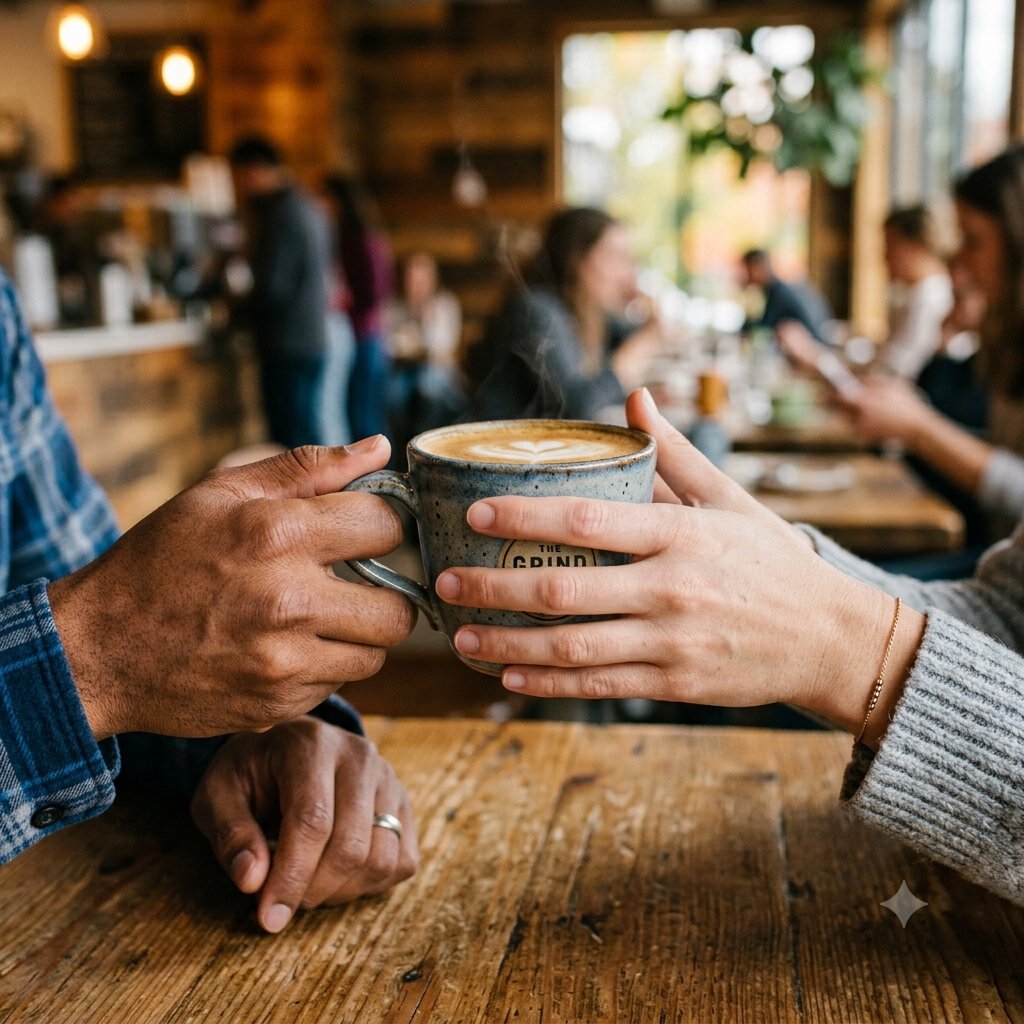 Nano Banana 2 Nano Banana 2 |
9.4 | 9.0 | 9.2 | 9.7 | 10.0 | 9.3 | 9.5 |
| 3 | 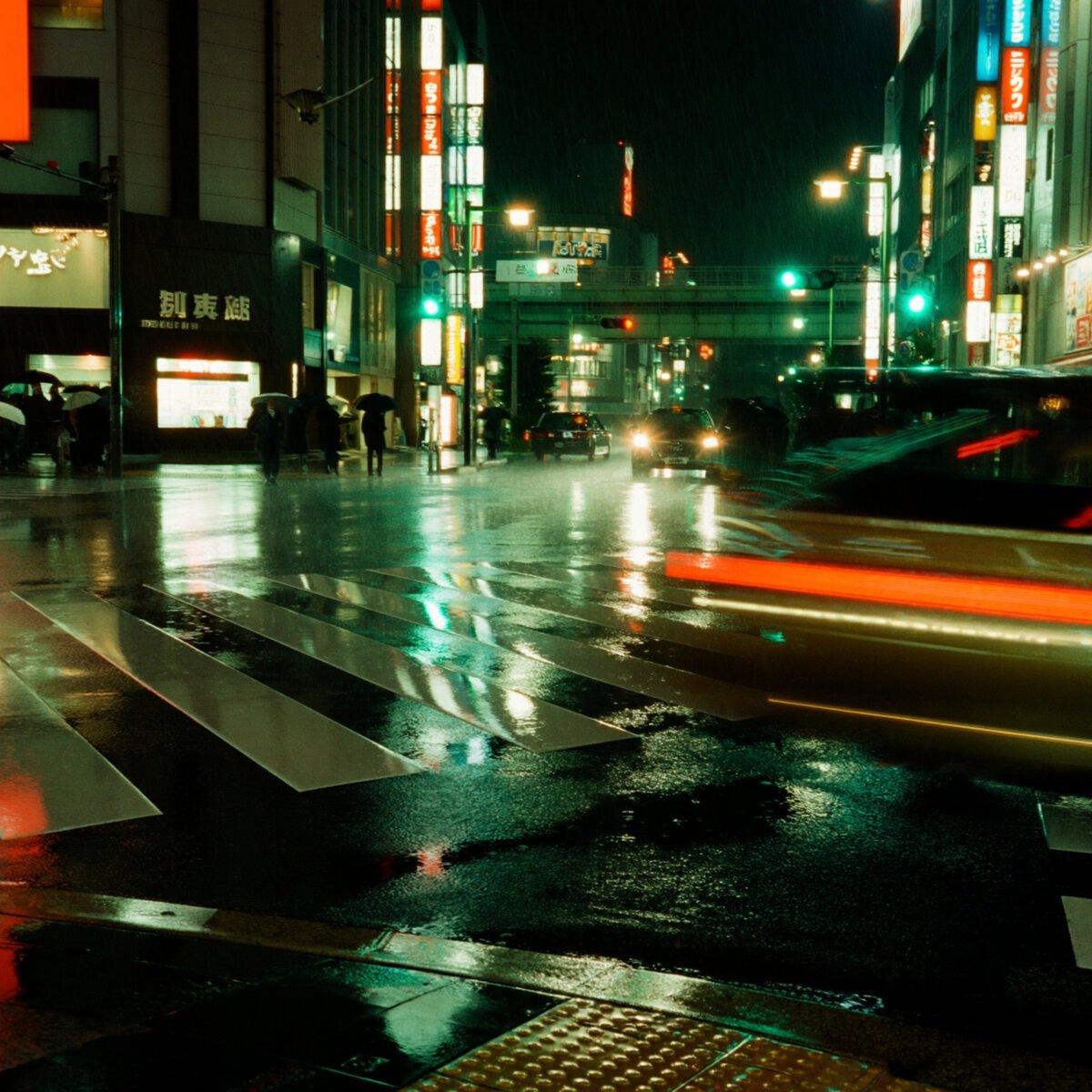 Imagine Art Imagine Art |
9.1 | 8.7 | 9.3 | 8.7 | 9.7 | 8.7 | 9.3 |
| 4 | 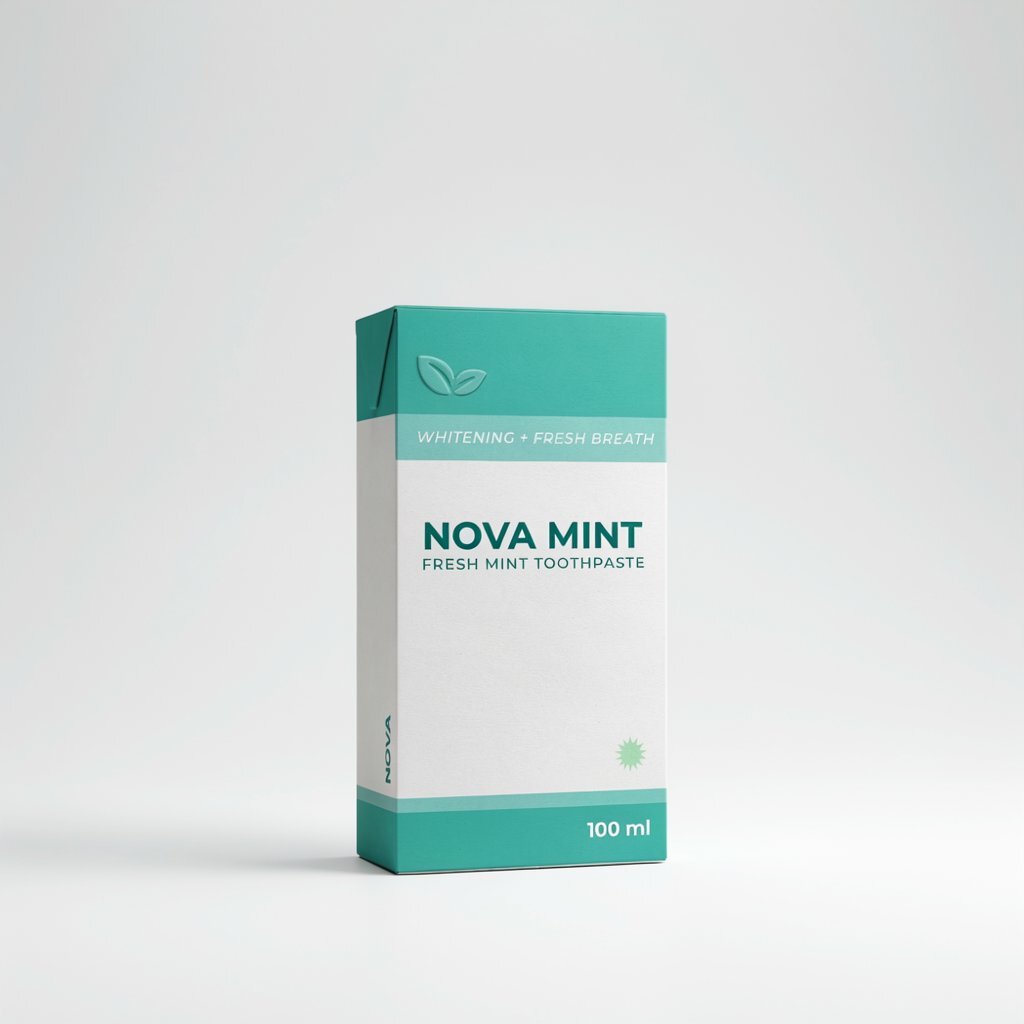 Ideogram Ideogram |
9.0 | 9.2 | 8.8 | 8.7 | 9.7 | 9.0 | 8.8 |
| 5 | 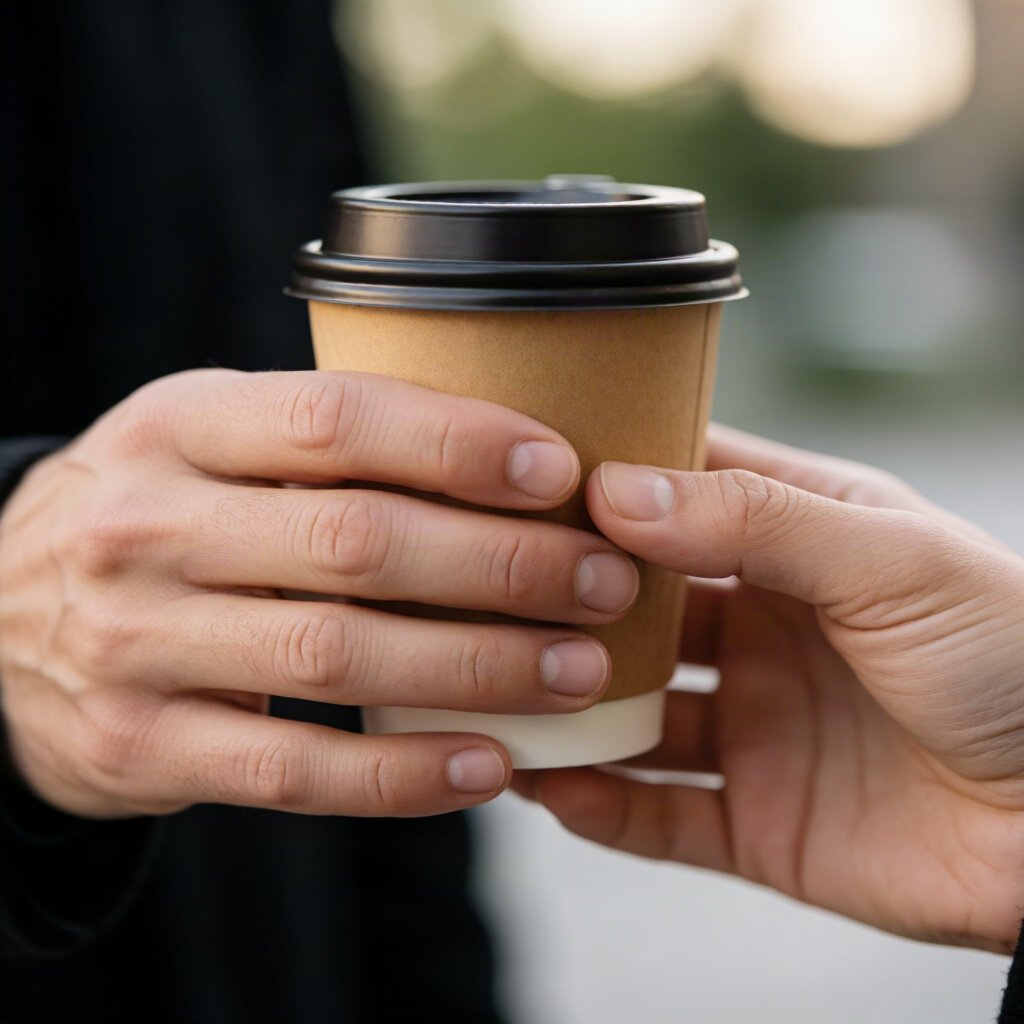 Krea Krea |
8.9 | 8.2 | 9.0 | 8.7 | 9.7 | 9.0 | 9.0 |
| 6 | 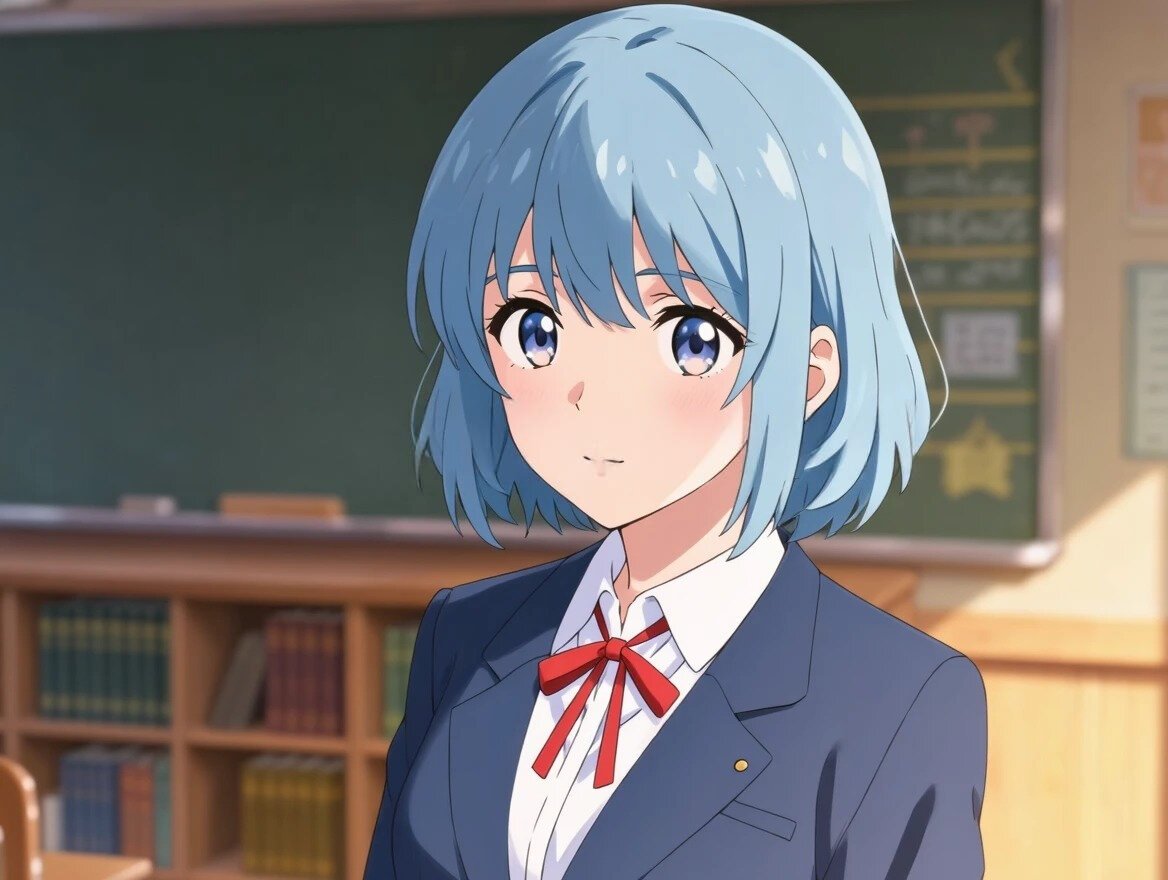 Kling AI Kling AI |
8.6 | 7.8 | 8.7 | 8.7 | 8.3 | 9.3 | 9.0 |
| 7 | 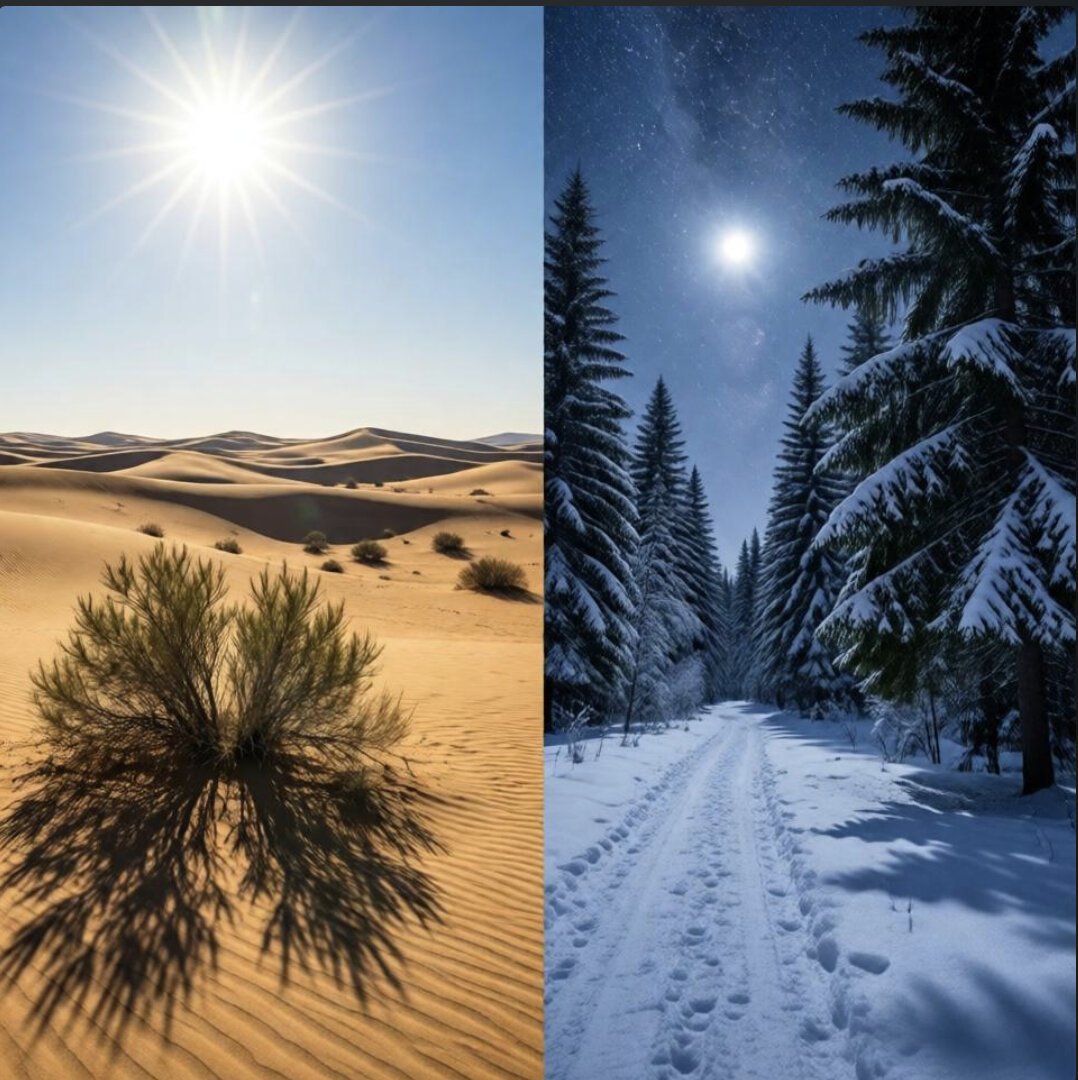 Pixverse Pixverse |
8.4 | 7.5 | 8.5 | 7.7 | 9.3 | 8.7 | 9.2 |
| 8 | 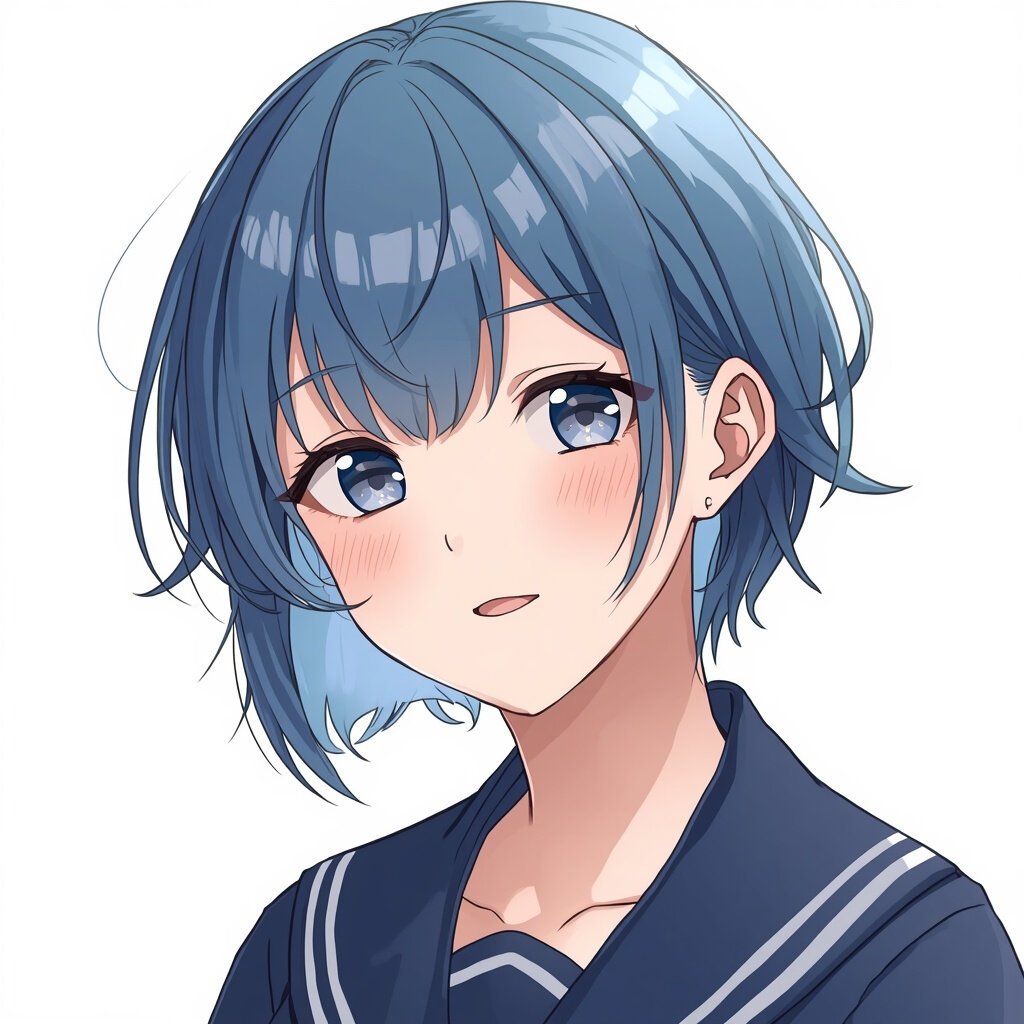 Leonardo Leonardo |
8.3 | 7.3 | 9.0 | 6.3 | 9.0 | 9.3 | 8.7 |
| 9 | 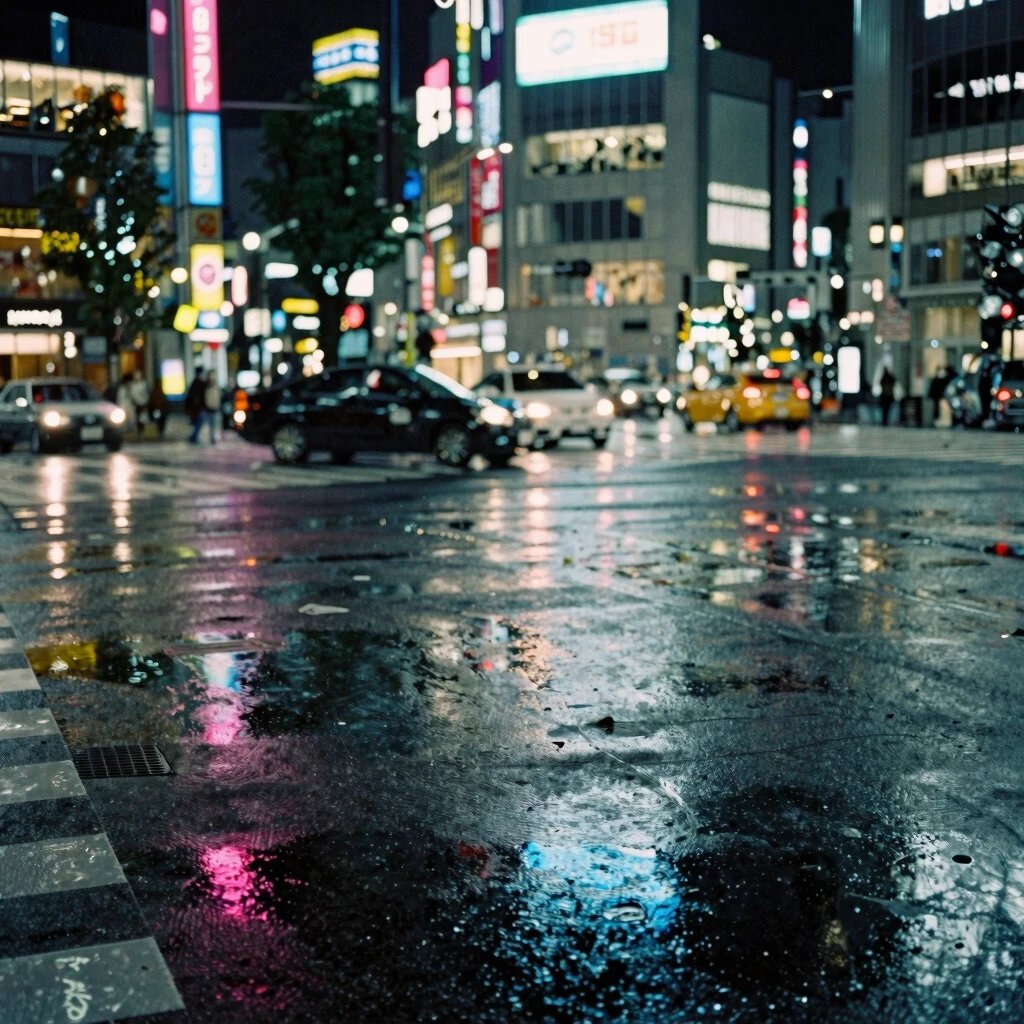 SeaArt SeaArt |
8.0 | 6.3 | 8.8 | 8.3 | 8.3 | 6.3 | 9.2 |
| 10 | 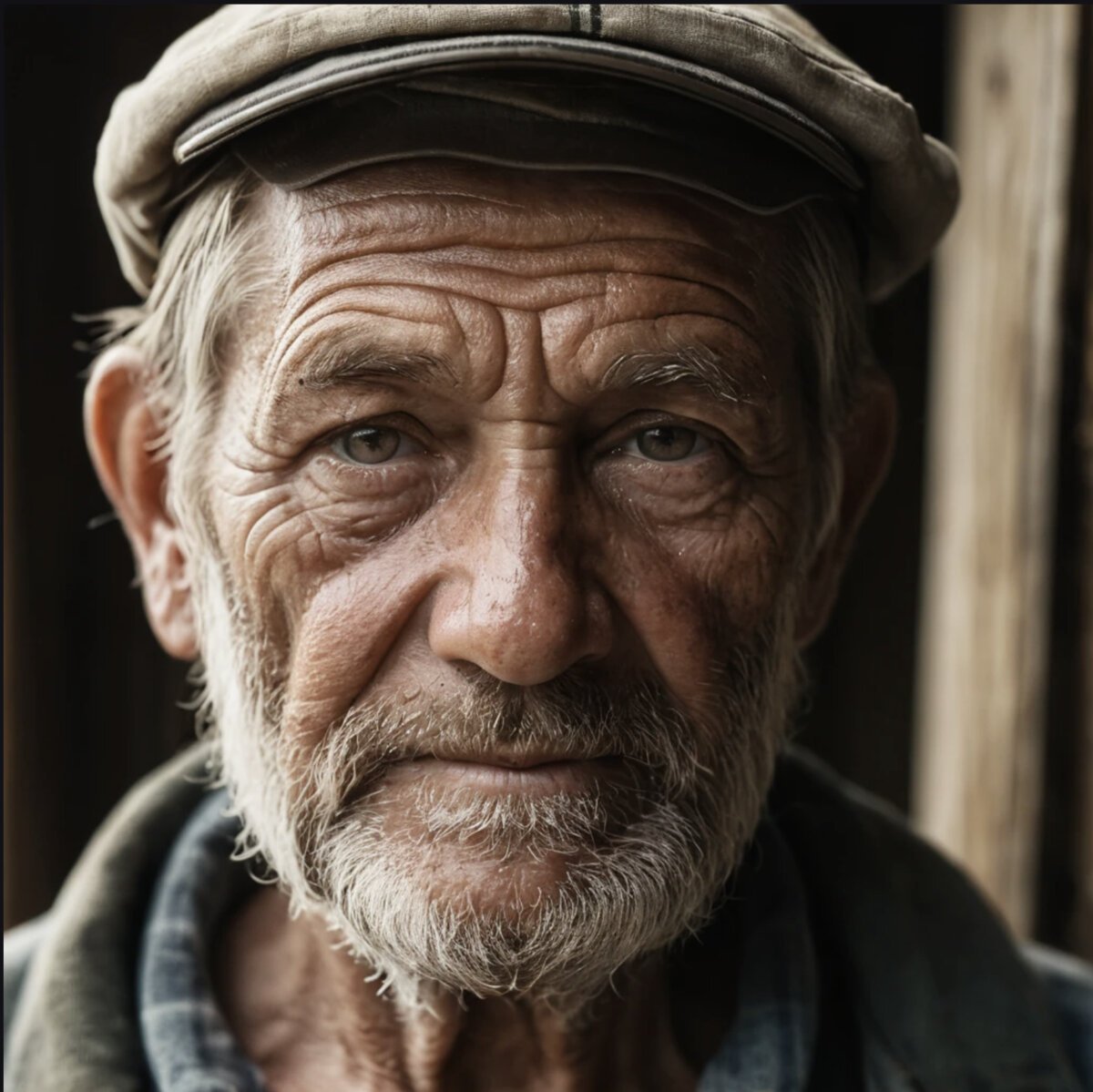 Piclumen Piclumen |
7.1 | 6.3 | 8.2 | 6.0 | 7.7 | 7.7 | 6.7 |
What the 270 scores actually show
Every figure below comes from the table above: ten tools, nine identical prompts, three scored axes per image.
- Hands are still the hardest test. The widest spread of any category at 3.7 points, from Nano Banana 2 on 9.7 down to PicLumen on 6.0, and only 2 of the 10 tools scored 9.0 or better.
- Photorealism is close to solved. The tightest spread of any category at 1.3 points. Every tool we tested scored 8.2 or higher, so a convincing photoreal scene is no longer what separates these models.
- Text is where tools fall off a cliff. A 3.5-point spread, with SeaArt and PicLumen both bottoming out at 6.3 while GPT Image 2 reaches 9.8. Only 3 of 10 scored 9.0 or better.
- Product shots are the safe bet. 7 of 10 tools scored 9.0 or better and none fell below 7.7, the highest floor of any category.
- Two tools lead on different things. GPT Image 2 tops text (9.8) and photorealism (9.5); Nano Banana 2 tops hands (9.7) and prompt adherence (9.5). They tie at 10.0 on product shots and 9.4 overall.
- Only 4 of the 10 tools scored 9.0 or better overall. The gap from first to last is 2.3 points, 9.4 down to 7.1.
The best AI image generator for each job
There is no single winner for every task. These picks come straight from the category scores, each backed by a specific result you can see in the reviews.
It is the only tool that reliably renders full product labels including small spine text; Ideogram (9.2) is the close runner-up.
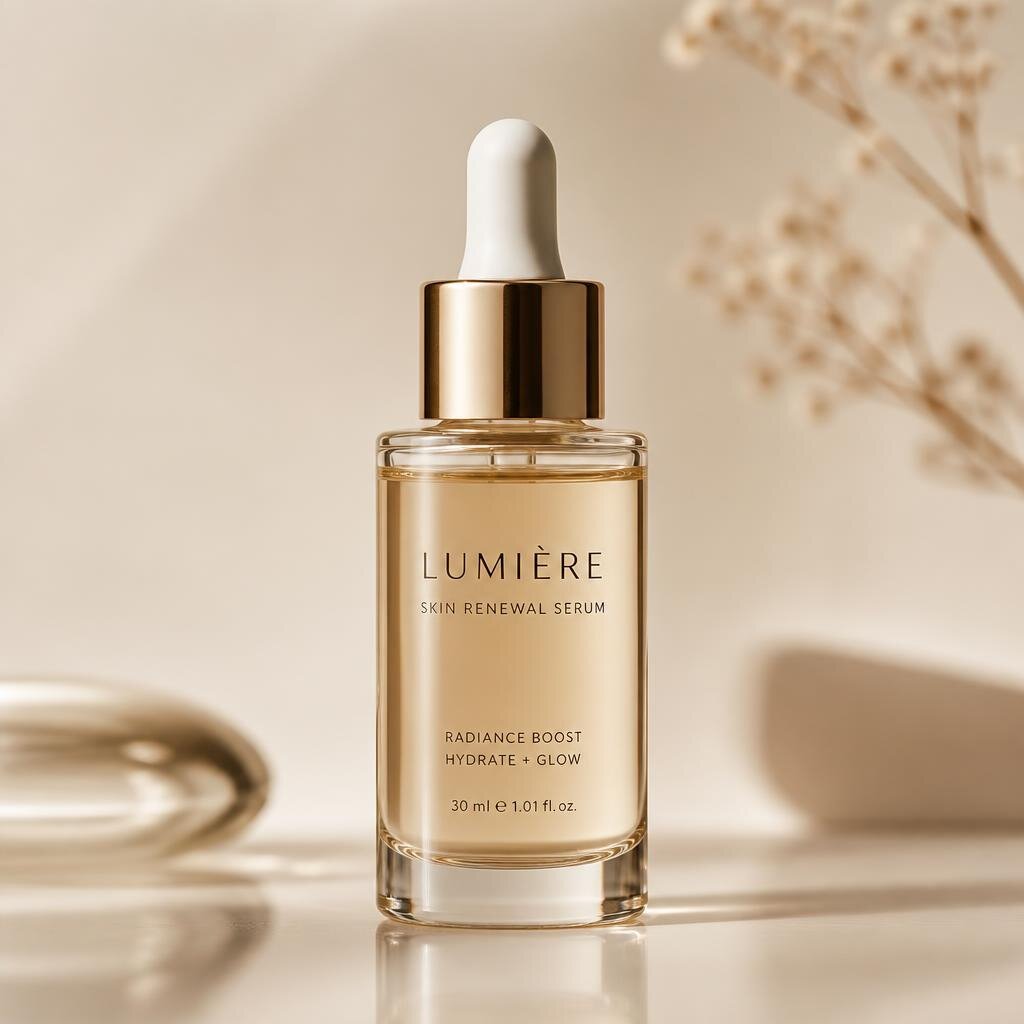
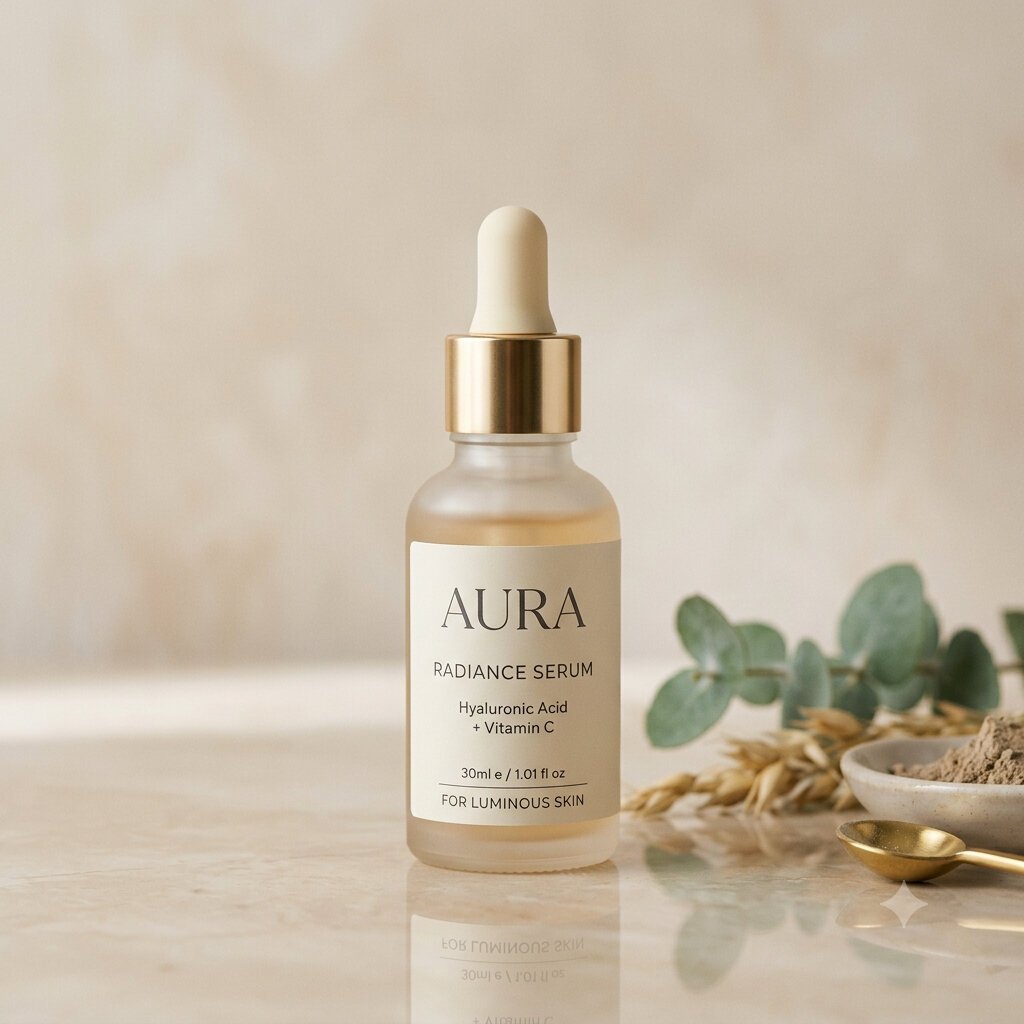
A perfect score, tied with Nano Banana 2. Both produce shots indistinguishable from a real product shoot.
The only tool to nail a true two-person hand exchange; Krea (8.7) is the most consistent runner-up.
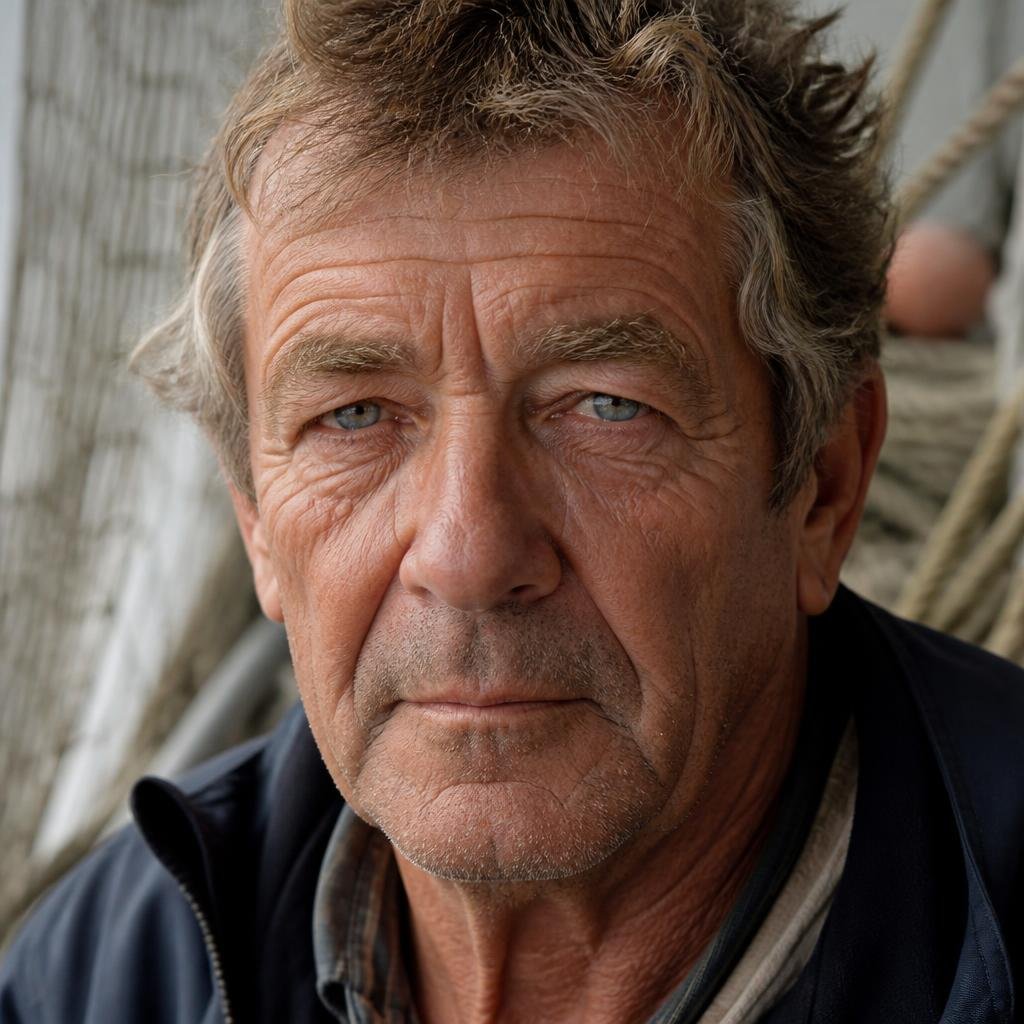
Gallery-grade skin and scenes; Imagine Art (9.3) has the best wet-street reflections we tested.
Genuine soft cel shading, tied with Nano Banana 2 and Kling AI. A real drawing, not a filtered photo.
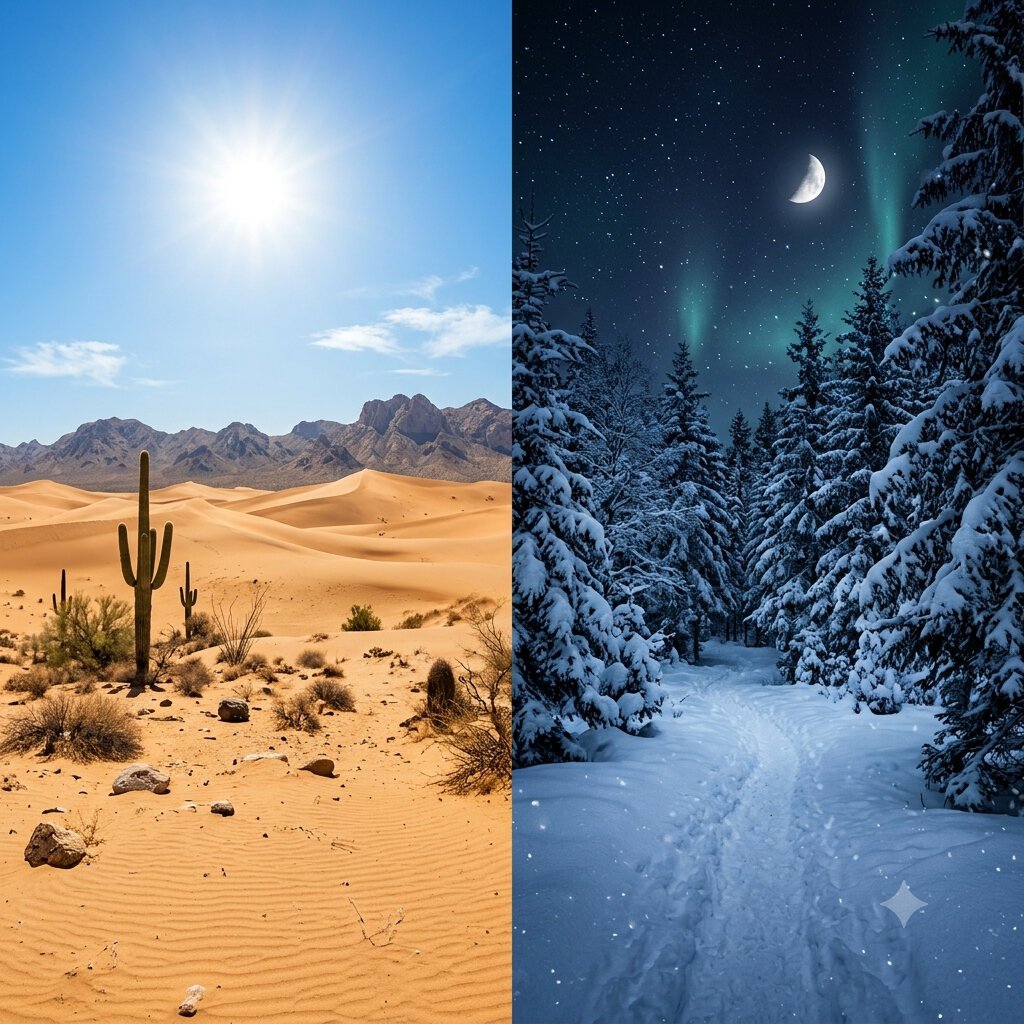
Obeys every clause of a multi-part brief; SeaArt (9.2) is the surprise runner-up on raw literal accuracy.
The nine prompts we test every AI image generator on
This is the whole test, word for word. None of these prompts is a softball, each one is built to break something: to make a tool misspell a sign, melt a hand, or flatten a cube it cannot reason about. Paste any of them into the tools below and you will get roughly what we got.
a neon sign above a ramen shop that reads “OPEN UNTIL 3AM”, night street, shallow depth of fieldCan it spell a specific phrase in a scene, in lights?
a product box for “NOVA MINT” toothpaste, brand name clearly printed, teal and white packaging, studio lightCorrect brand name plus the small print that betrays most tools.
close-up portrait of a 60-year-old fisherman, weathered skin, natural window light, 85mm lens, no retouchingReal skin and eyes, or the waxy AI-gloss look?
street photo of a rainy Tokyo crossing at night, wet asphalt reflections, neon signage, 35mm documentary styleWet reflections, a real crossing, and legible signage.
two hands exchanging a coffee cup, close-up, all ten fingers visible, natural poseThe classic breaker: correct fingers in an interacting pose.
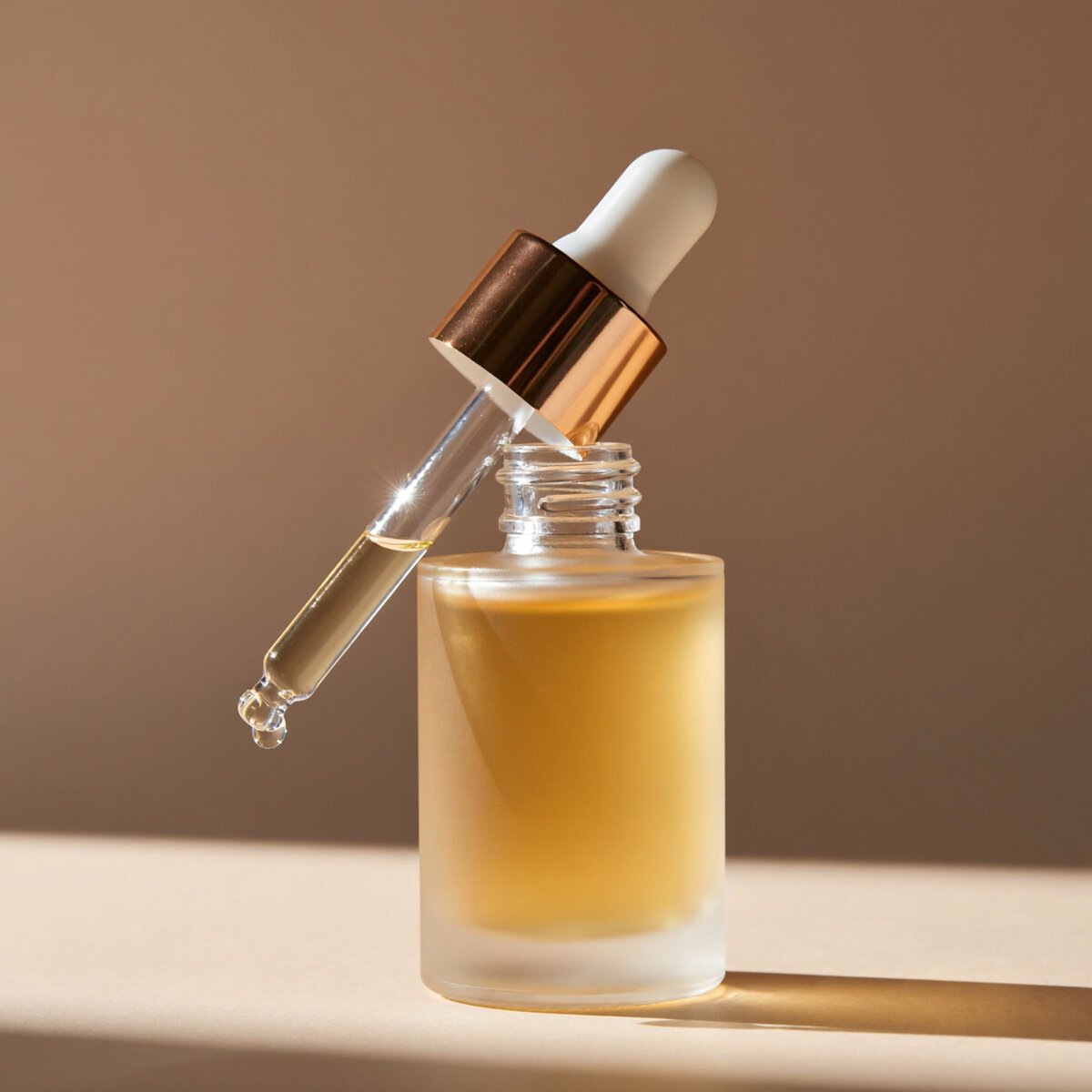
a skincare serum bottle with a dropper, minimalist beige background, soft reflections, premium cosmetics photographyGlass, liquid and a straight dropper, the physics that trip tools up.
anime-style portrait of a young woman with short blue hair, school uniform, soft cel shading, detailed eyesA genuine illustration, or a photo in a wig?
a red cube on top of a blue sphere, to the left a green pyramid, plain white studio background, even lightingExact objects, colours and spatial relationships.
a split scene: left half desert at noon, right half snowy forest at night, clear vertical dividerA hard multi-clause brief with a clean divider and correct lighting.
The three best AI image generators, reviewed
Every tool ran the full suite; each review shows all nine images behind the scores. Here are the leaders. See all ten reviews →
#19.4GPT Image 2
Overall #1The one to beat, and it is not close. Point it at a label, a logo, or a shop sign and the words come out right, the single hardest thing for these models, and its product shots scored a flawless ten.
 #29.4
#29.4Nano Banana 2
No weak spotThe most complete tool in the test: it never dropped below strong in any category, and it is free. Where GPT Image 2 wins on text, this wins on breadth, and it reads Japanese signage correctly, which almost nothing else did.
 #39.1
#39.1Imagine Art
Product & photorealElite product photography and gallery-grade photorealism, with the best wet-street reflections and neon of any tool we tested, and the cleanest primitive geometry on spatial prompts.
AI image generators compared: scores, pricing and licensing
The full field at a glance, score, best use, free tier, starting price and commercial rights. Every figure is drawn from the hands-on reviews; verify current prices on each tool’s site.
| Tool | Score | Best for | Free tier | From | Commercial use |
|---|---|---|---|---|---|
| GPT Image 2 | 9.4 | Text & product | Bundled access | Paid plans | Yes, via OpenAI terms |
| Nano Banana 2 | 9.4 | All-rounder, hands | Free via Gemini | ~$8/mo | Yes; watermark on free |
| Imagine Art | 9.1 | Product, photoreal | Daily credits | ~$9/mo | Paid plans; free is non-commercial |
| Ideogram | 9.0 | Text, logos, posters | 10/day (public) | ~$7/mo | Yes on paid; free images public |
| Krea | 8.9 | Hands, all-round | Daily credits | ~$10/mo | Yes on paid plans |
| Kling AI | 8.6 | Anime, layouts | 66 credits/day | ~$7/mo | Yes; watermark lower tiers |
| Pixverse | 8.4 | Spatial, product | Daily credits | ~$10/mo | Yes on paid plans |
| Leonardo | 8.3 | Anime, game art | Daily tokens | ~$12/mo | Yes on paid plans |
| SeaArt | 8.0 | Instruction-following | Daily stamina | ~$10/mo | Yes on paid plans |
| Piclumen | 7.1 | Free, mood-first | Unlimited Relax | ~$8/mo | Yes, even on free tier |
Pricing and the best free AI image generators
What each tool costs, and which ones are genuinely free. Most run on daily credits or monthly allowances that don’t roll over, so match the plan to how often you generate. For a deeper look at every free tier, see our full free tools guide.
Pricing checked August 2026
Genuinely free, no card
Nano Banana 2 (via Google Gemini) and Piclumen stand out. Nano Banana 2 is the standout here, a joint top-scorer you can use for nothing through Gemini, watermark aside. Piclumen offers unlimited slower generations in Relax Mode, and rare among free tiers, includes a commercial licence.
Free with daily limits
Ideogram (10 prompts/day, though free images are public), Krea, Kling AI (66 credits/day), Pixverse, Leonardo and SeaArt all have usable free tiers, typically metered by daily credits, tokens or stamina that reset each day.
Paid, from about $7-12/month
Ideogram (~$7), Kling AI (~$7), Nano Banana 2 (~$8 via Google AI plans), Imagine Art (~$9), SeaArt (~$10), Krea (~$10), Pixverse (~$10) and Leonardo (~$12). Several bundle image and video on one subscription, and most credits do not roll over month to month.
Access-bundled
GPT Image 2 has no standalone free tier; it is reached through ChatGPT, the OpenAI API, or partner platforms. We tested it via a partner integration.
Commercial use, ownership and licensing
The part most guides skip, and where people get tripped up. If you’re creating for clients or products, the licence matters as much as the image quality.
Read the plan, not the marketing
Almost every tool grants commercial-use rights on its paid plans, but free tiers are where the traps are. A "free" image may be watermarked, low-resolution, publicly visible in a community gallery, or explicitly non-commercial.
Watch the free-tier catch
Ideogram's free images are public by default. Nano Banana 2 and Kling AI apply visible watermarks on free or lower tiers. Piclumen is the notable exception: its free Relax Mode includes a commercial licence, which is unusual.
Ownership and IP-safety differ
Most generators pass usage rights to you but don't indemnify you against training-data claims. If guaranteed IP-safety matters for a client or enterprise, tools trained only on licensed content are built for that use case, though none of those were in this benchmark.
Verify before you ship
Terms change, and "commercial use" can mean different things per plan. For anything client-facing, confirm the current licence on the tool's own pricing page, and keep the watermark and resolution limits of your tier in mind.
How to choose an AI image generator
The best tool is the one that fits the job in front of you. A simple decision path, based on what actually separated these ten in testing.
Start with the job, not the ranking
The overall score is a tiebreaker, not the answer. A tool that tops the board can still be the wrong pick if your work is all typography or all anime. Match the task to the category winner first.
If you need readable text
Go with GPT Image 2 or Ideogram. They are the only two that reliably render correct words on packaging, posters and signage. Every other tool garbles text on most surfaces. Full text ranking →
If you need people and hands
Nano Banana 2 and Krea are the safe choices. Hands remain the classic failure mode, and these two keep finger counts and anatomy clean where others melt.
If budget is the constraint
Nano Banana 2 is free via Gemini and still ties for first. If you need a free commercial licence specifically, Piclumen is the rare option that grants one. All free tiers compared →
If you need product or photoreal work
GPT Image 2 and Imagine Art lead here, with product shots that pass as real photography and the most convincing reflections and skin we tested. Full realism ranking →
If precise layout matters
For briefs with checkable, exact requirements, Nano Banana 2 and SeaArt follow instructions most literally, down to object placement and lighting cues.
What is an AI image generator, and how we picked these
An AI image generator turns a text description into a picture. You type a prompt, the model interprets it, and it produces a matching image in seconds, a process called text-to-image generation. Most modern generators are either diffusion models, which start from random noise and refine it into a coherent image, or newer autoregressive models that build an image in pieces, much like a language model builds a sentence.
Quality varies sharply by task. A tool that paints a beautiful landscape may mangle a product label or a pair of hands, which is why the right choice depends on your use case far more than on any single overall ranking.
How we selected the ten tools
We focused on generally available, browser-based text-to-image tools that a designer, marketer or creator could actually sign up for and use today, spanning the range from free community platforms to frontier models. We didn’t restrict the list to the biggest names; several strong performers here are lesser-known tools that happened to do the work well.
Why our method is different
Most comparison guides do one of two things: they aggregate scores from a public voting arena, or they try a few prompts and show the ones that came out nicely. Both have their place, but neither tells you what a tool does on an ordinary first attempt, which is what you actually live with. That gap, between the curated demo and the real first result, is the whole reason this benchmark exists.
What the scores actually mean
Every image earns three marks out of ten. Adherence asks whether the tool did what the prompt said, the right objects, the right words, the right layout. Coherence asks whether the image holds together physically, no melted fingers, no letters dissolving into glyphs, no shadows falling the wrong way. Aesthetic asks whether it actually looks good.
We grade at full resolution, because that is where a tool’s bluff gets called. A thumbnail hides a garbled sign or a sixth finger; a 100% crop does not. The three marks are averaged into a per-image score, and the nine images into the overall.
As a rough guide: a 9 or 10 is work you could ship as-is. A 7 or 8 is a strong result with one visible flaw. A 6 has something clearly wrong on a close look, and anything below that failed the brief outright.
Ship it
Indistinguishable from a competent human result. Correct, coherent and genuinely good-looking.
Nearly there
A strong image with a single obvious flaw, a slightly-off word, a stiff pose, a safe composition.
Look closer
Passable at a glance, but something is clearly broken up close, usually text or anatomy.
Missed the brief
Wrong objects, unreadable text, or a scene that ignores what the prompt asked for.
Common questions
What is the best AI image generator in 2026?
In our hands-on benchmark, GPT Image 2 and Nano Banana 2 tie at the top with 9.4 out of 10. GPT Image 2 is the strongest for text and product work and scored a perfect 10 on product shots. Nano Banana 2 has no weak category, the best hands in the test, and a free tier via Google Gemini. Imagine Art (9.1) is third, with elite product and photoreal work.
Which AI image generator is best for text in images?
GPT Image 2, which scored 9.8 on our text category, the highest of any tool. It is the only generator that reliably rendered full product labels including small spine text, and correct multi-word signage in a scene. Ideogram (9.2) is the close runner-up and a strong choice for posters and packaging. Most other tools garbled text on nearly every surface. See all ten tools ranked on text →
What is the best free AI image generator?
Nano Banana 2 is the best genuinely free option: it’s available at no cost through Google Gemini and scores as highly as any paid tool, though outputs carry a watermark. Piclumen offers an unlimited free tier with a commercial licence in its slower Relax Mode. Ideogram, Krea, Leonardo and SeaArt all have free tiers too, typically with daily limits. See every free tier ranked →
Which AI image generator is best for realistic photos?
GPT Image 2 leads photorealism at 9.5, with gallery-grade skin and scenes. Imagine Art (9.3) is a close second and produced the best wet-street reflections in the test. For portraits specifically, all three of the top tools render real skin texture and correct eyes rather than the over-smoothed AI look. See all ten ranked on realism →
Which is best for anime and illustration?
Leonardo, Nano Banana 2 and Kling AI tie at 9.3 for anime, each producing a genuine cel-shaded illustration rather than a photo in a wig. Leonardo’s was the single best anime image we scored. SeaArt is the cautionary tale: its anime prompt came back as a live-action cosplay photo.
Which AI image generator handles hands best?
Nano Banana 2, at 9.7. It produced the only true two-person hand exchange in the test with correct finger counts and clean anatomy. Krea (8.7) is the most consistent runner-up. Hands remain the classic AI weakness: Leonardo scored just 6.3 after failing the same prompt.
How do you score the tools, and can the results be trusted?
Three marks out of ten per image, for adherence, coherence and aesthetic, averaged into the overall (the scoring scale above spells out what each number means). What makes it trustworthy is not the maths, though: it is that all 90 images are published, so you never have to take our word for a score, and that we sell none of the tools we rank, so no result can be bought.
Do the rankings change over time?
Yes. We re-test as tools ship new model versions, and the leaderboard reflects the most recent run. This page was last updated in August 2026. Each review notes the version tested and the date, since a model that was middling last quarter can jump after an update.