image generation lab
Leaderboard Reviews By category

Hands-on benchmark · · August 2026

Kling AI 3.0 Omni review: nine prompts tested, first output kept and scored

Excellent at anime, photorealism and spatial layouts; in-image text is its weak spot

We gave Kling AI 3.0 Omni the same nine prompts as every other generator, on default settings, first output kept, no re-rolls. Here is every image it produced, scored against the same rubric.

Kling AI 3.0 Omni · at a glance
MakerKuaishou (Kling AI)
TypeText-to-image & video model
Free tierYes, credit-based (limited)
WatermarkApplied on lower tiers
Best atGenuine cel-shaded anime, gallery-grade photoreal portraits, correctly-formed hands, and precise spatial layouts, plus standout wet-street reflections.
Weak atIn-image text: headline words render cleanly, but background signage and fine print garble, and it leans on generic placeholder branding.
Bad atFull scene fidelity on complex briefs: it skipped the ramen-shop setting and the zebra crossing, rendering the subject but not the whole scene.
9identical prompts, every tool
1stoutput kept, no re-rolls
3axes scored per image
0sponsored placements
THE VERDICT

Kling AI 3.0 Omni is a strong, versatile generator that excels wherever text isn't the point. Its anime was a genuine polished cel-shaded illustration, its fisherman portrait was gallery-grade, its hands prompt produced a correctly-formed two-hand exchange, and both spatial prompts passed cleanly with a true pyramid. Its weak spot is consistent: in-image text garbles beyond a headline word, and it sometimes renders the subject without the full scene.

Best for

Anime and stylised illustration, photoreal portraits and scenes, precise spatial layouts, and moody atmospheric work like rain and reflections, anywhere legible text isn't essential.

Watch for

Background signage and fine print garble, branding defaults to generic placeholders, complex scene briefs get partly skipped, exposures run dark, and some outputs carry a watermark.

Category scores, broken down

Two prompts per category (one each for hands and product), averaged. The overall 8.6 is the mean of all nine images.

Anime & style9.3

A genuine, polished cel-shaded illustration with detailed eyes.

Prompt adherence9.0

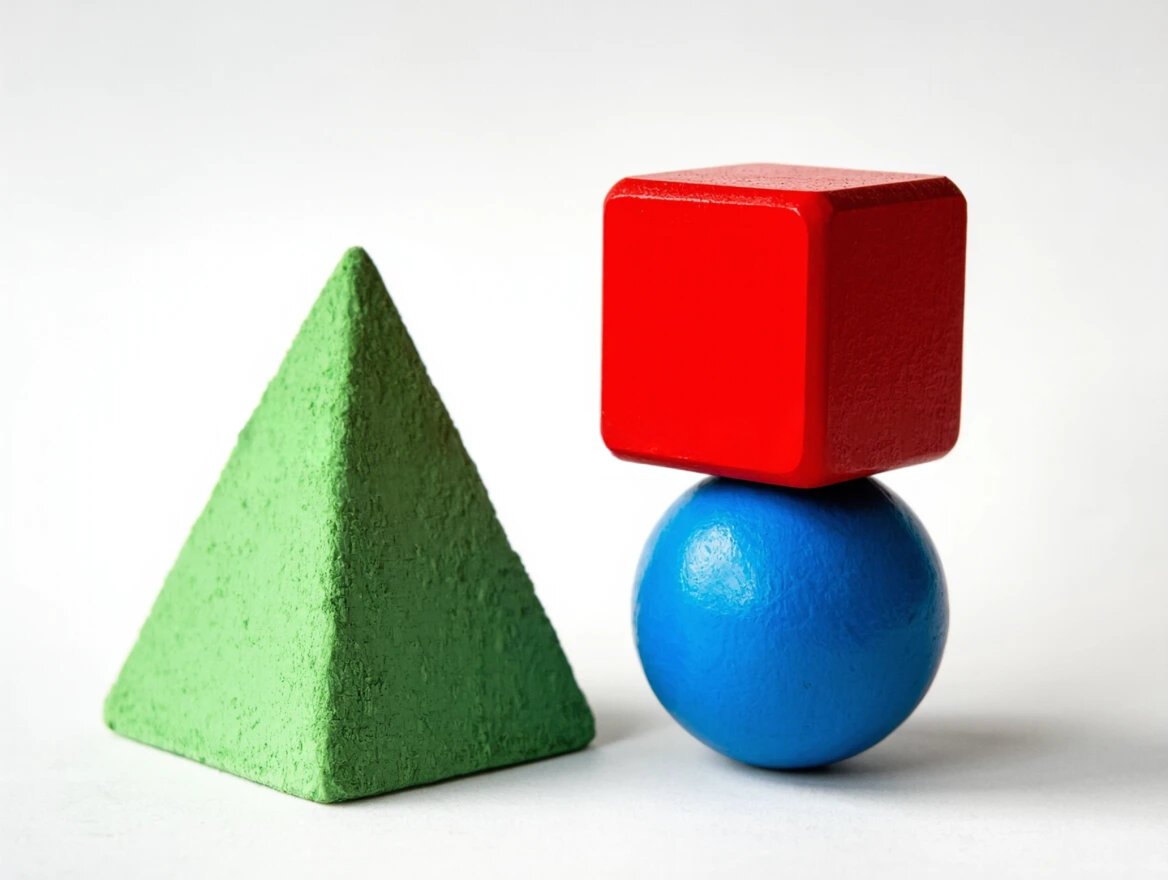
A true pyramid, and a correct desert-noon and snow-night split.

Hands & anatomy8.7

A two-hand exchange with correct, verified finger counts.

Photorealism8.7

Gallery-grade skin and standout wet-street reflections.

Product shot8.3

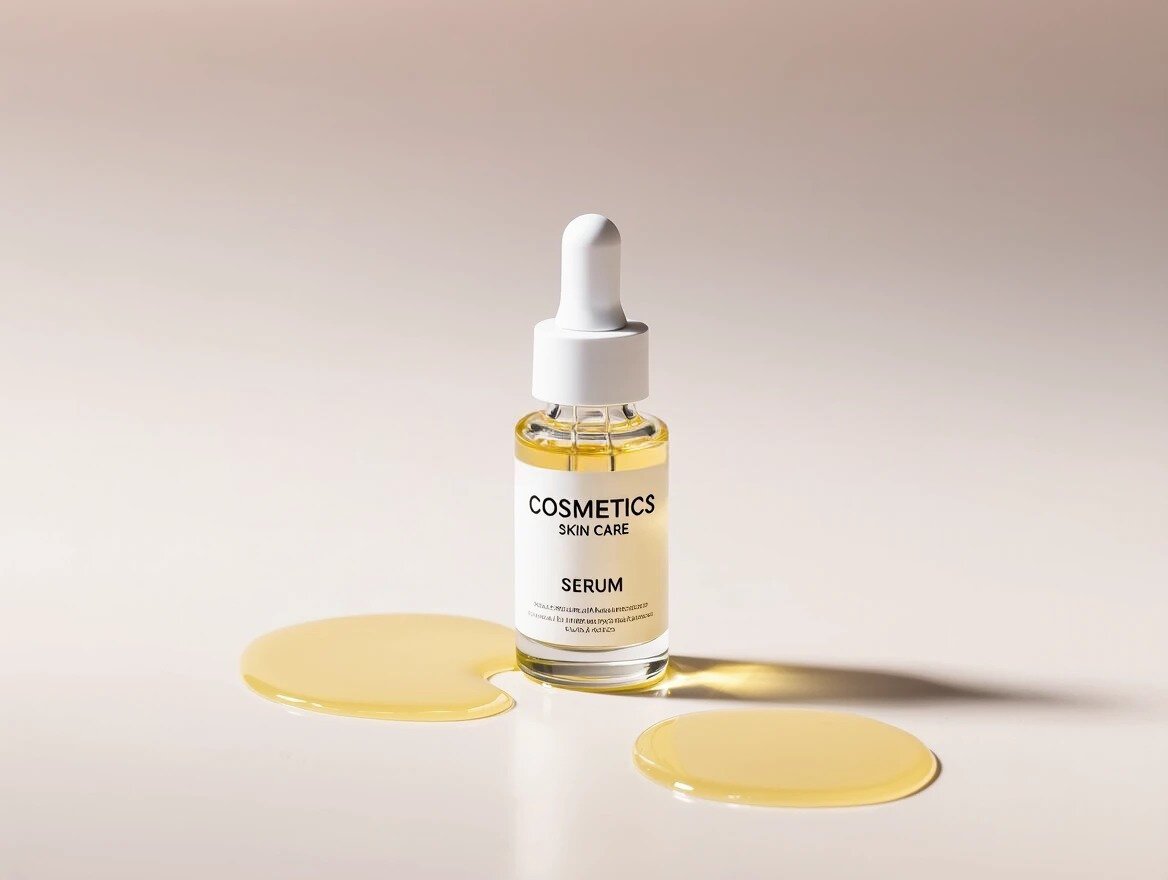
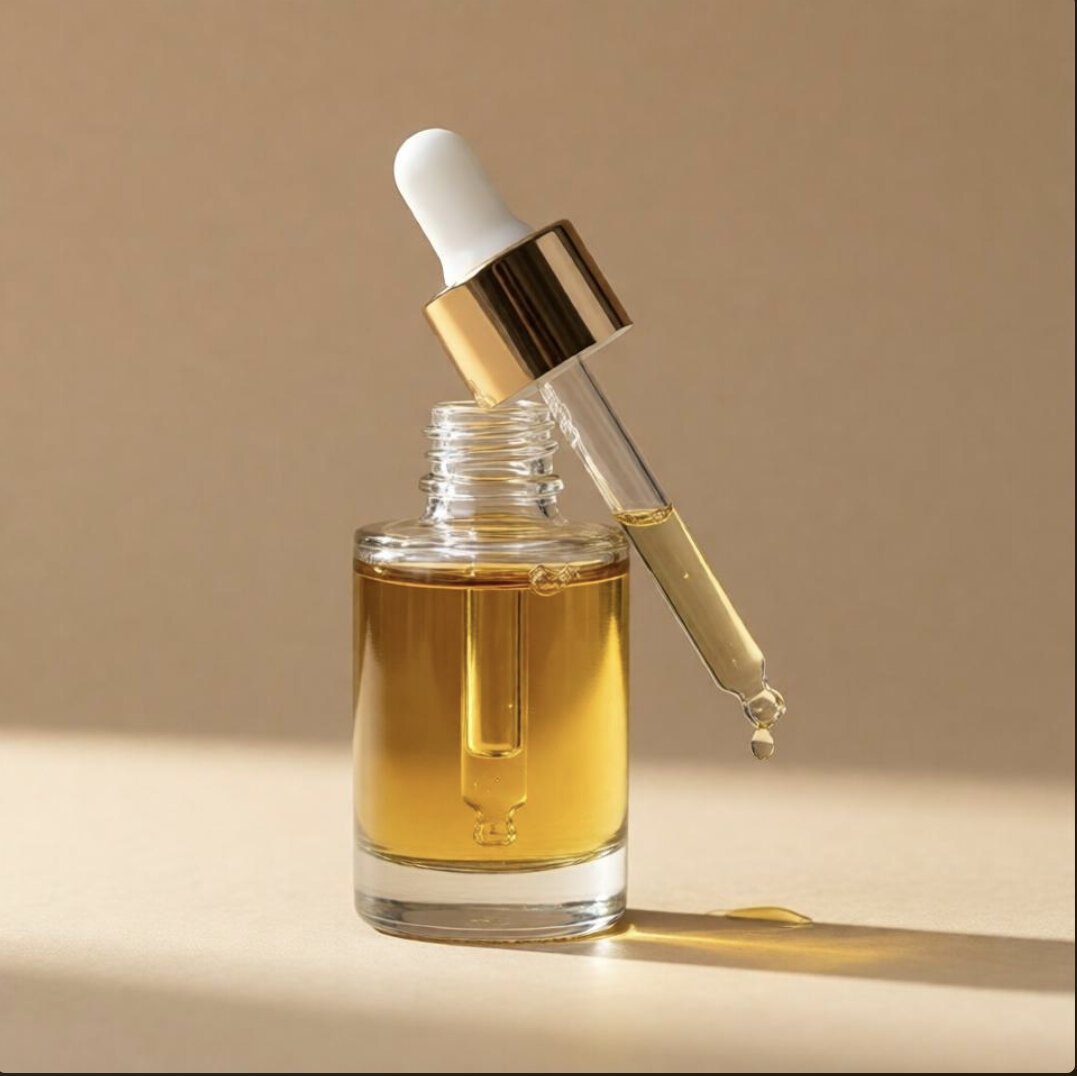
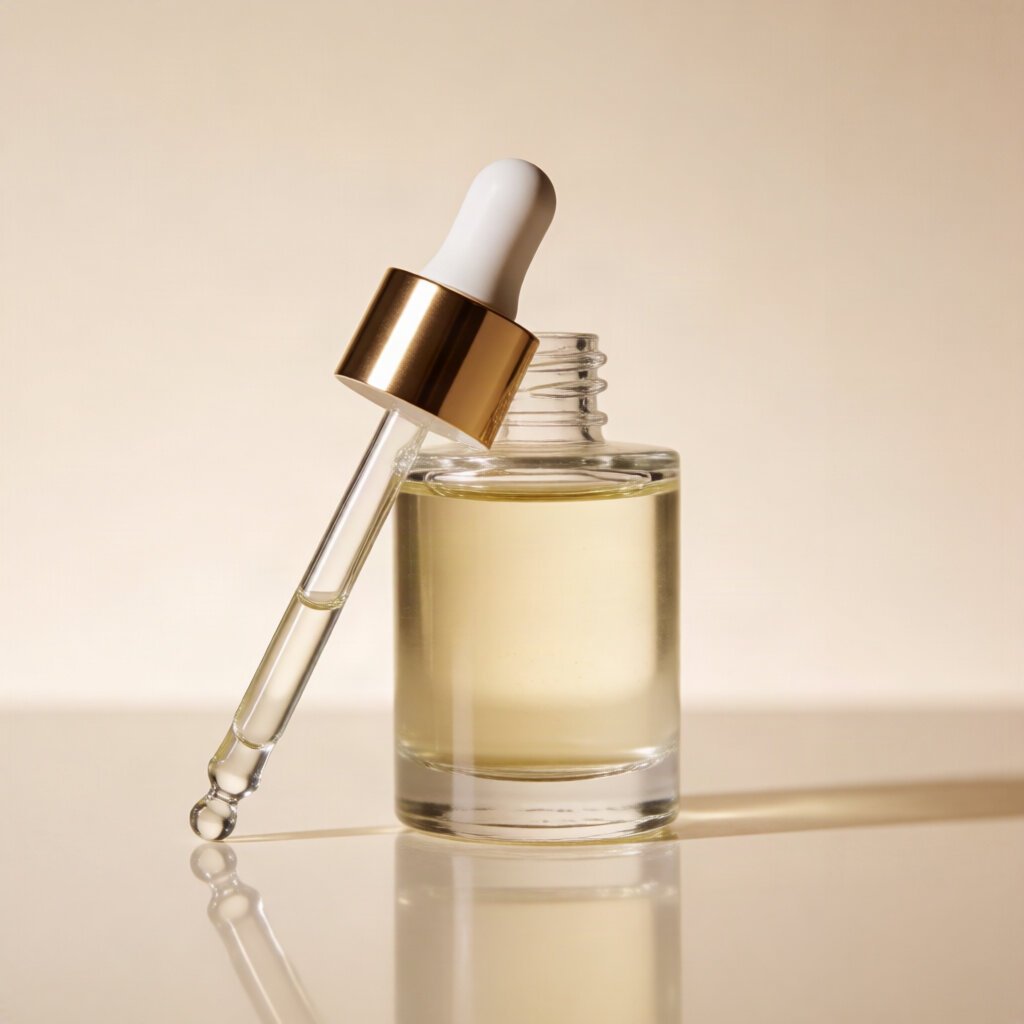
Clean bottle and main label; fine print and branding fall short.

Text rendering7.8

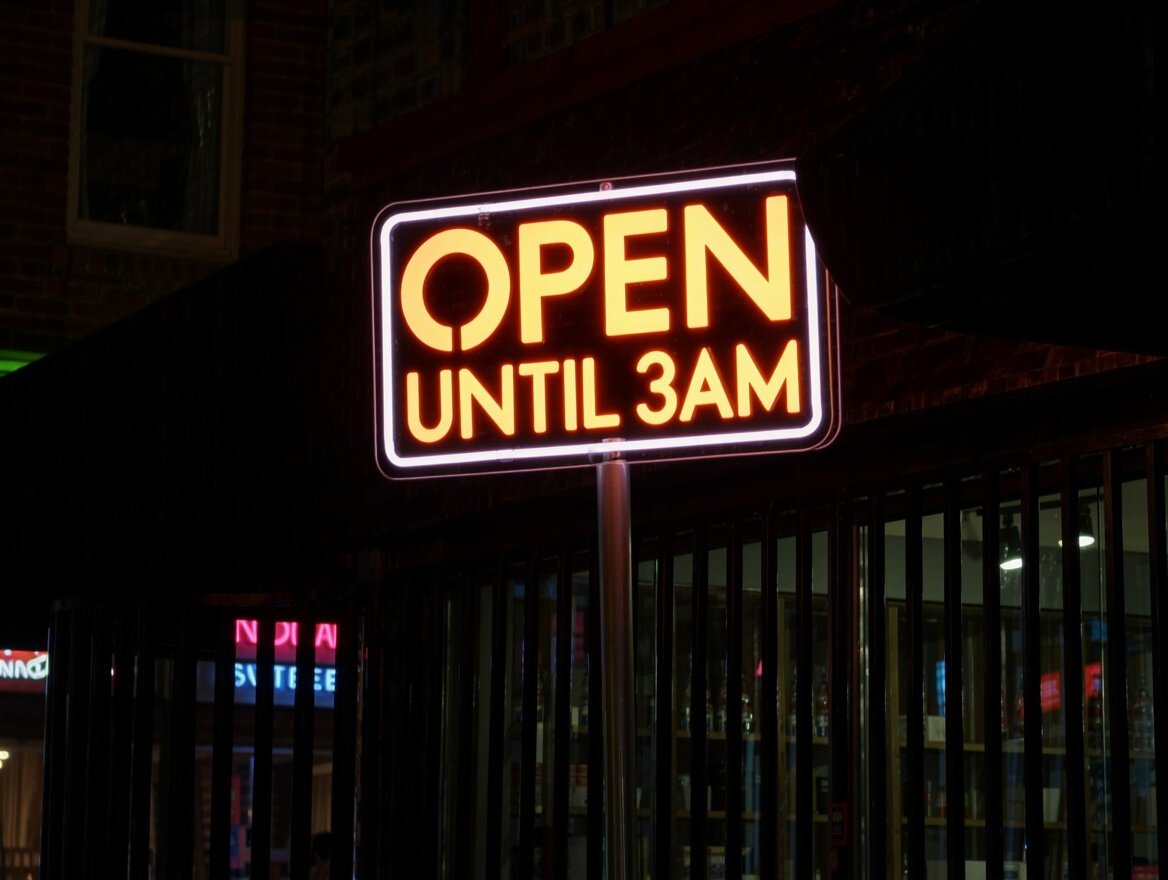
Headline words render; background signage and fine print garble.

Strengths, and where it falls short

The images above show what happened; here is what it means for your work. This is the part most reviews skip, because it requires having actually run the tool.

Strengths

Where Kling AI 3.0 Omni leads

  • Genuine anime, not a photo with a filter. It produces authentic cel-shaded illustration with detailed, expressive eyes, a category many all-rounders only approximate. You can use it for stylised work without switching tools.
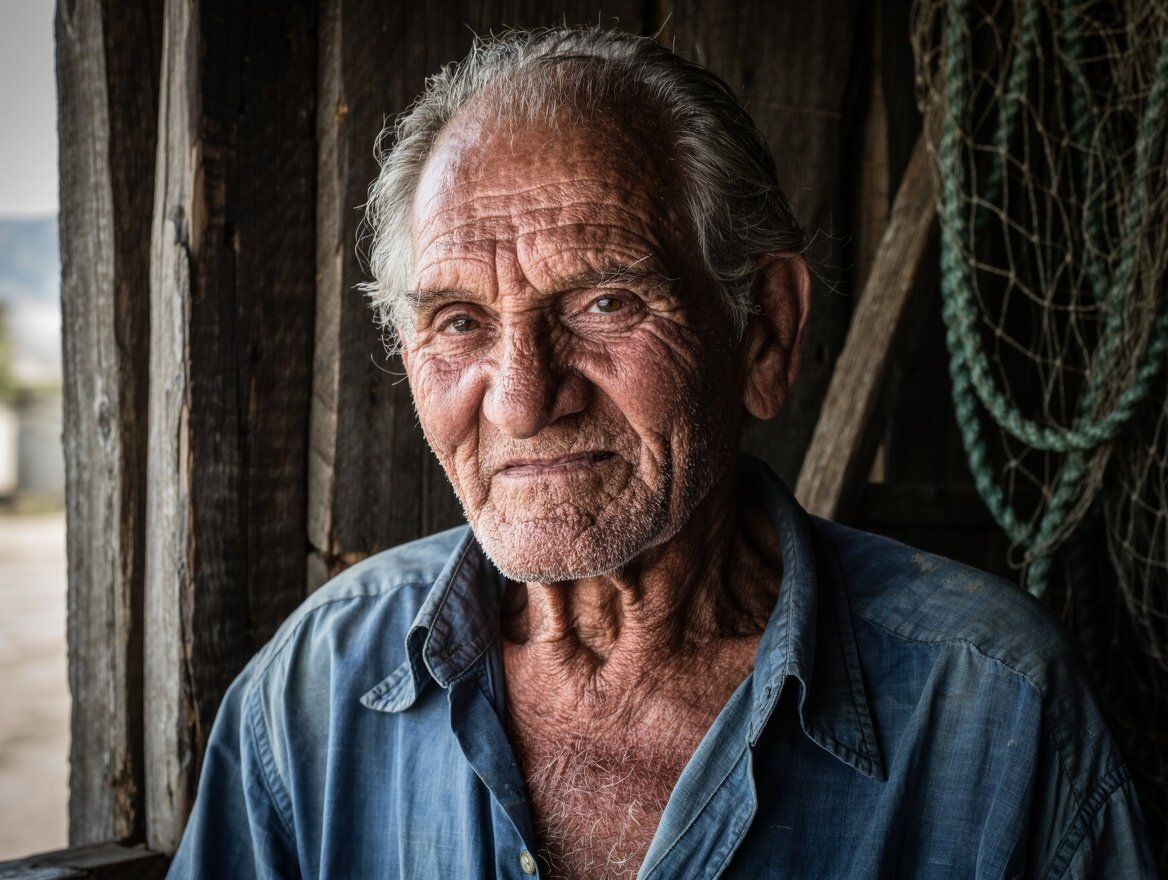
  • Photorealism that reads as a real photograph. Faces carry genuine age and texture rather than AI gloss, and it builds coherent environments around the subject. For portraits and real-world scenes it competes near the top.
  • It handles the things other tools fake. A true two-hand exchange with correct, verified finger counts is exactly where rivals fall apart; here it passes cleanly on the first output.
  • It follows precise spatial instructions. Both hard layout prompts came back right, including a genuine pyramid and a lighting cue other tools miss. If your brief has checkable spatial requirements, it tends to honour them.
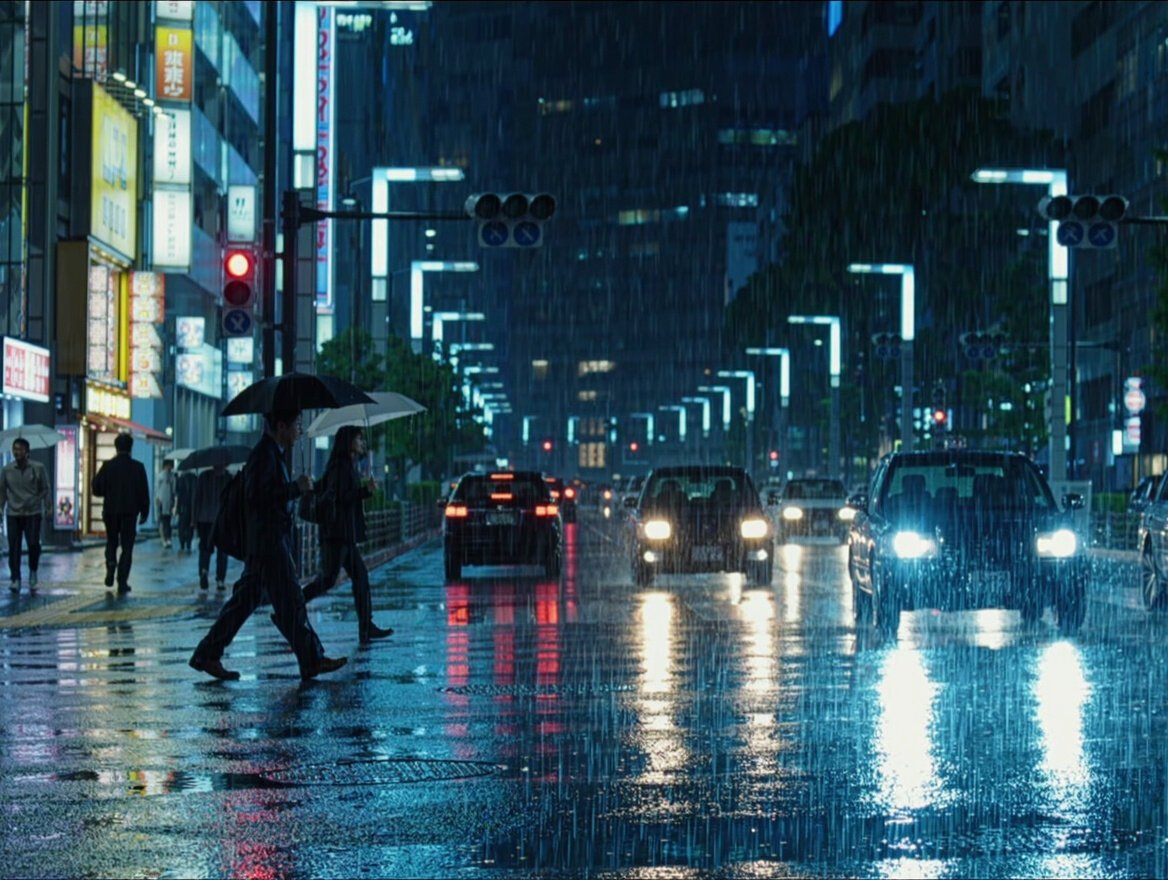
  • Standout atmosphere and reflections. Its wet-street rain and reflection work is among the best we've tested, and its moody, cinematic lighting gives images a finished, filmic feel.
Trade-offs

Where it falls short

  • In-image text is the clear weak spot. A headline word or brand name renders cleanly, but background signage, fine print, and secondary copy dissolve into pseudo-text. For packaging, posters, or anything with readable words, a text specialist is the safer call.
  • Branding defaults to generic placeholders. Left to its own devices it prints the literal category word rather than inventing a plausible brand with real detail, so product mockups look like templates unless you specify the copy.
  • Complex scene briefs get partly skipped. It reliably renders the subject but sometimes drops named parts of the setting, giving you a beautiful image that isn't quite the scene you asked for. Check that every element made it in.
  • Exposures run dark, and some outputs are watermarked. Night scenes in particular crush shadow detail, and a few results carried a watermark. Neither is fatal, but budget for exposure lifts and cropping on client work.

Our testing method, and why it's fair

Most "best AI image generator" lists rank tools the author never opened, using stock screenshots and vibes. We do the opposite, and the method is deliberately strict so the scores mean something.

Every tool gets the identical nine prompts, pasted verbatim. We use default settings and keep the very first image, with no re-rolls and no picking the best of a batch. The moment you curate outputs, a benchmark becomes an opinion, so we don't. What you see above is genuinely what Kling AI 3.0 Omni returned first.

We sell nothing on this list, which means there's no commercial reason to rank one tool over another. The scores are the scores.

01

Same nine prompts, every tool

Two prompts each for text, photorealism, and spatial adherence, plus one each for hands, product, and anime. Designed to expose specific failure modes.

02

First output kept

Default settings, no re-rolls, no cherry-picking. The first image the tool returns is the one that gets scored.

03

Three axes, scored at full resolution

Adherence (did it do what was asked), coherence (anatomy, physics, legibility), and aesthetic (would you actually use it). Averaged per image.

04

No sponsorship, nothing for sale

We don't sell the tools we rank, so placement can't be bought. Outbound links go to each tool's official site, and none of them are affiliate links.

Pricing & access

Kling runs on a daily-refreshing credit system, and the same generation costs the same credits on every tier, so the plan you pick mainly buys volume, speed, and rights. Prices vary by region and promotion, so confirm at checkout.

Pricing checked August 2026

Free
$0
  • 66 credits a day (expire daily)
  • No card required
  • Watermark; no commercial use
Standard
~$7/mo
  • Monthly credit allowance
  • Watermark removal, 1080p
  • Commercial-use rights
Pro
~$26/mo
  • More credits, priority queue
  • Professional mode
  • Everything in Standard
Premier / Ultra
~$65+/mo
  • High-volume credit blocks
  • For production workloads
  • Everything in Pro

Kling AI is made by Kuaishou and covers both image and video generation on one subscription. Credits don't roll over, first-period discounts are temporary, and add-on credit packs are available. Verify current pricing on Kling's site before subscribing.

Quick answers

Is Kling AI 3.0 Omni good for text in images?

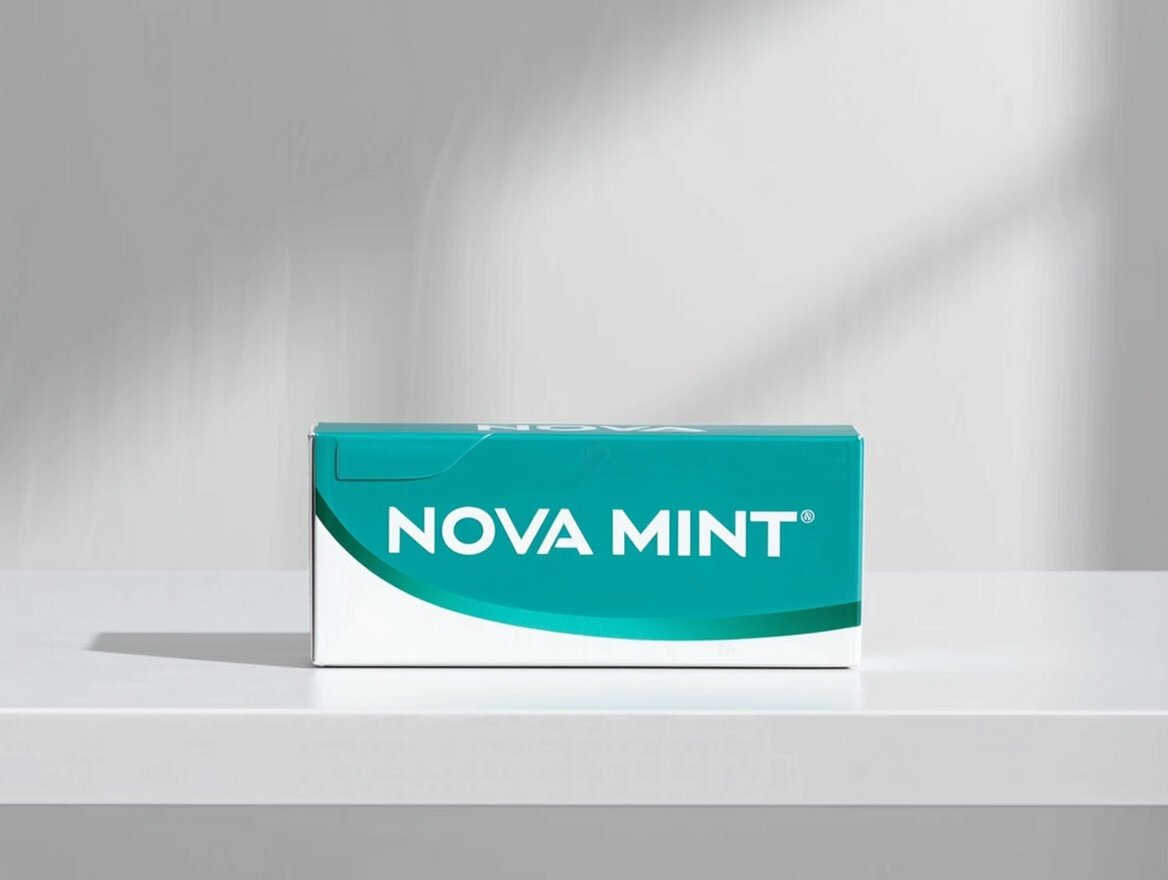
Kling AI 3.0 Omni handles only short text. A headline word or brand name like "OPEN UNTIL 3AM" or "NOVA MINT" renders cleanly, but background signage, fine print, and secondary copy garble into pseudo-text. For packaging, posters, or anything with readable words, a dedicated text model is the safer call.

What is Kling AI 3.0 Omni?

It is an image (and video) generation model from Kuaishou, the Chinese short-video company behind Kling AI. It runs on a credit system inside the Kling app, and outputs on the free and lower tiers carry a watermark.

Is Kling AI good for anime?

Yes, this was Kling AI's strongest category. Our anime prompt came back as a genuine, polished cel-shaded illustration with clean line art, detailed expressive eyes, and a clean school uniform, scoring 9.3. It produced an actual drawing rather than a photorealistic image in disguise.

Is Kling AI good with hands?

Yes. Our hands prompt produced a genuine two-hand cup exchange with both hands anatomically correct, verified finger counts and no melting, on the first output. Hands are the classic AI weakness, and Kling AI cleared them cleanly.

Is Kling AI good for realistic images?

Very. Kling AI's fisherman portrait was gallery-grade, with exceptional weathered skin, symmetric eyes, and a coherent boathouse setting, and its rainy-street scene had standout wet-asphalt reflections. Faces and atmospheric scenes are a real strength; exposures can run dark.

Does Kling AI have a free plan?

Yes. Every logged-in account gets 66 credits per day that refresh every 24 hours and don't roll over, enough for light testing. Paid plans (Standard, Pro, Premier, Ultra) add more credits, faster queues, 1080p, watermark removal, and commercial-use rights. Verify current terms on Kling's site.

What is Kling AI 3.0 Omni worst at?

In-image text and full scene fidelity. Text beyond a headline word garbles, branding defaults to generic placeholders like "COSMETICS", and Kling AI sometimes renders the subject while skipping named parts of the scene, such as a ramen shop or a zebra crossing. Night exposures also run dark.

How did you test Kling AI 3.0 Omni?

We ran nine fixed prompts through Kling AI 3.0 Omni on default settings and kept the first image each time, with no re-rolls or cherry-picking. Every generator we review gets the identical nine prompts, scored on the same three-axis rubric. We sell none of the tools we rank.

THE BOTTOM LINE

A strong, versatile generator, as long as text isn't the point

Kling AI 3.0 Omni earned its score on the strength of its images: a genuine polished cel-shaded anime, a gallery-grade photoreal portrait, a correctly-formed two-hand exchange, and clean passes on both hard spatial prompts, plus some of the best wet-street reflections we've tested. For anime, portraits, layouts, and atmospheric work, it's a genuinely capable choice.

The honest caveats are consistent: in-image text garbles beyond a headline word, branding defaults to generic placeholders, complex scene briefs get partly skipped, and night exposures run dark. They keep it a tier below the best all-rounders rather than out of contention.

Buy it if

You want strong anime, photoreal portraits, precise layouts, or moody atmospheric scenes, and legible in-image text isn't essential. The free daily credits are enough to try it before you commit.

Look elsewhere if

Your work depends on readable text or accurate packaging copy, or you need every named element of a complex scene to appear reliably, where a text-focused model fits better.