image generation lab
Leaderboard Reviews By category

Hands-on benchmark · · August 2026

Leonardo AI review: nine prompts tested, first output kept and scored

A photoreal specialist that also draws the best anime we tested; weakest on hands

Leonardo has many models, so we locked it to one, Lucid Origin, its own flagship, with automatic selection off, and ran the same nine prompts as every other tool: default settings, first output kept. Every output is below.

Leonardo · at a glance
MakerLeonardo.Ai (Canva)
Model testedLucid Origin (flagship)
Free tierYes, daily tokens
Paid from~$12/mo (Apprentice)
Best atAnime and illustration (the best in our benchmark), plus elite photoreal and product shots.
Weak atPrecise instructions: it follows the mood of a prompt over its exact details, like noon rendered as golden hour.
Bad atHands. It failed the exchange prompt outright, and its fingers do not survive close inspection.
9identical prompts, every tool
1stoutput kept, no re-rolls
3axes scored per image
0sponsored placements
THE VERDICT

Leonardo, on its Lucid Origin model, is a specialist. It produced elite photorealism, ad-grade product shots, and the single best anime illustration in our entire benchmark, the only tool to nail genuine soft cel shading. Its weaknesses are just as specific: it failed the hand-exchange prompt outright, and it rendered our split scene at golden hour when the prompt asked for noon. A brilliant tool that rewards knowing what it is good at.

Best for

Anime and illustration, photoreal portraits and scenes, and clean product shots, especially for creators who want fine control over models and styles.

Watch for

Weak hand anatomy, garbled text beyond a headline word, and results that follow the mood of a prompt more faithfully than its precise details.

⚠ Which Leonardo we tested

Leonardo offers several image models and an automatic mode that picks one for you. Automatic can route the same prompt to very different engines, including third-party models, which makes a mixed set impossible to score as one tool. So we turned automatic off and ran all nine prompts on Lucid Origin, Leonardo's own flagship model, for a fair, single-engine result.

This matters: on automatic, some prompts route to models like GPT Image, which behave differently (in our spot checks, they rendered legible foreign-language signage that Lucid Origin garbles). The score below reflects Lucid Origin specifically, not Leonardo's automatic mode.

Category scores, broken down

Two prompts per category (one each for hands and product), averaged. The overall 8.3 is the mean of all nine images. Note the spread: elite at the top, genuinely weak at the bottom.

Anime & style9.3

The best in our whole benchmark. Genuine cel shading, authentic uniform.

Photorealism9.0

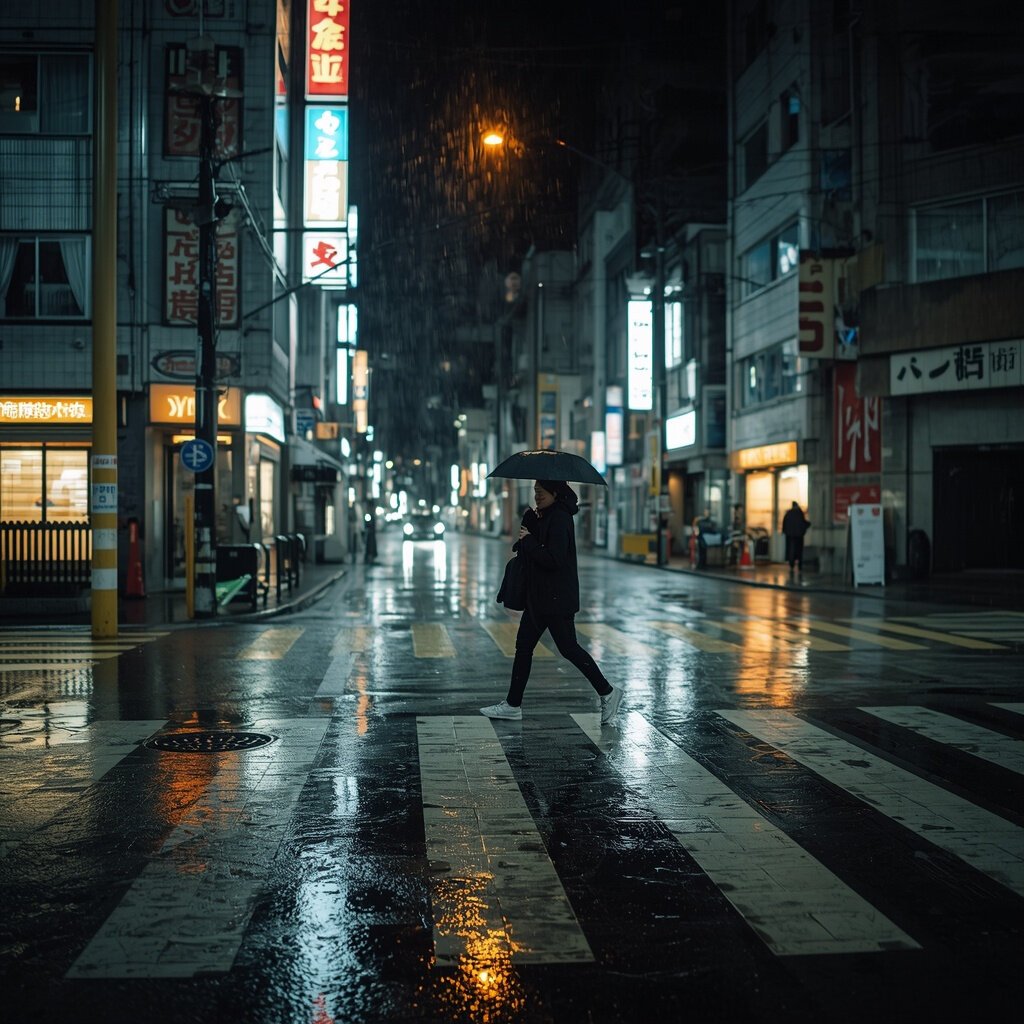
Elite faces, and the only tool to render actual falling rain.

Product shot9.0

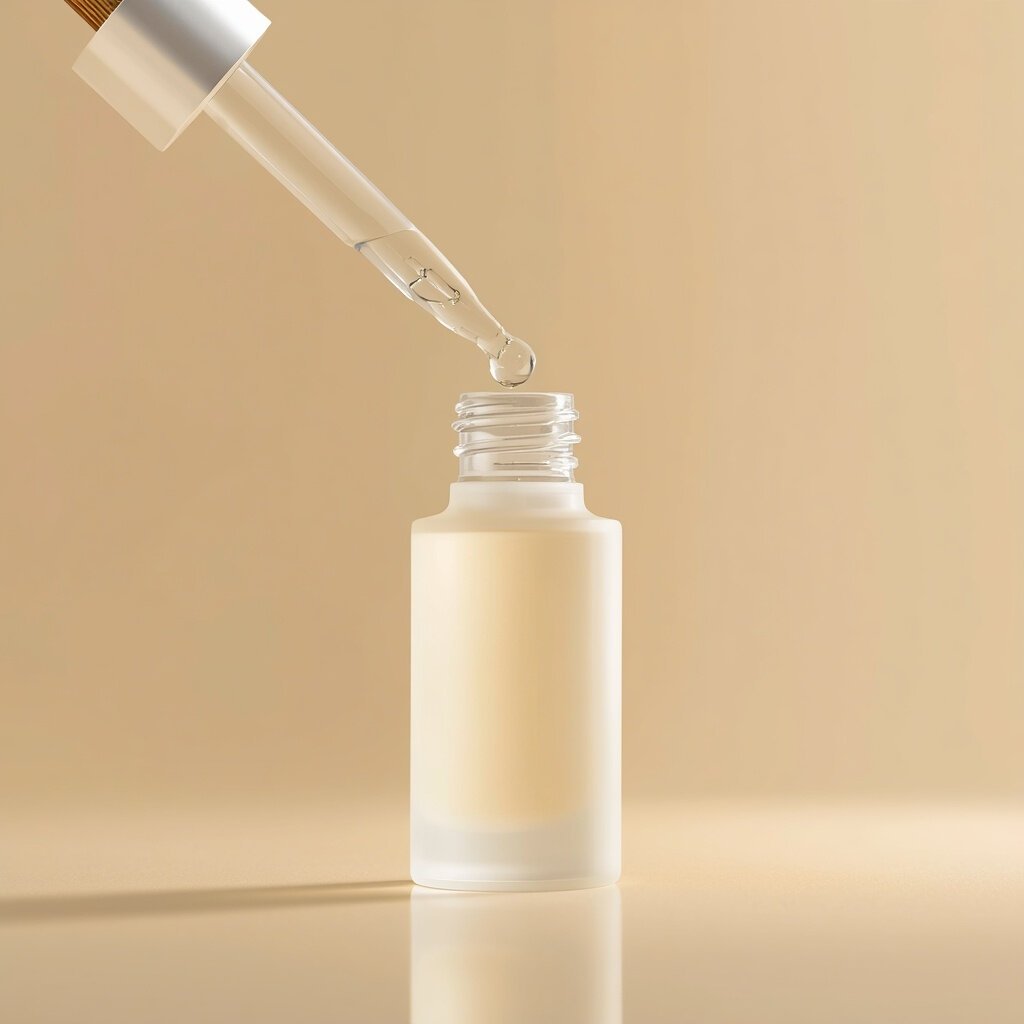
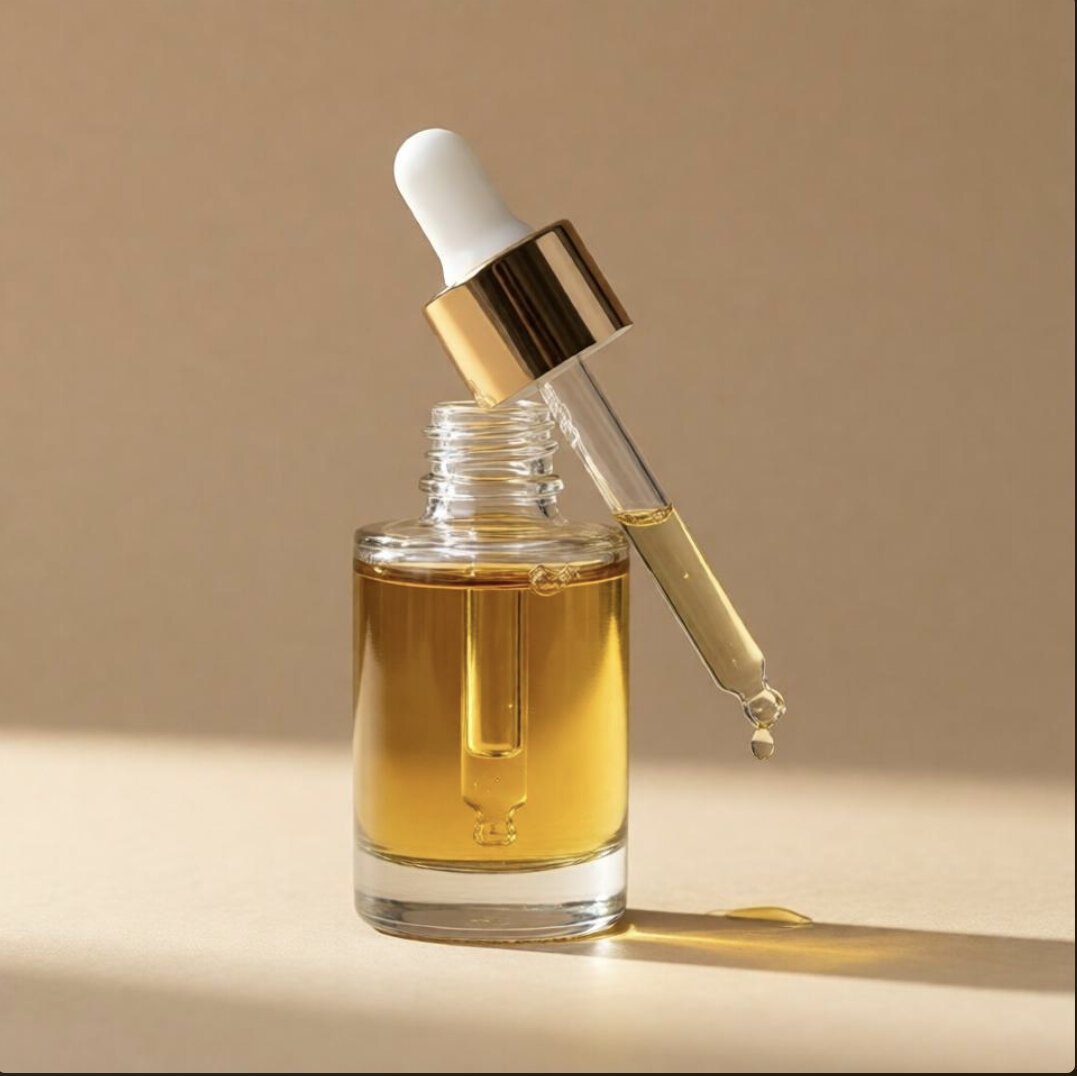
Ad-grade glass, liquid, and a correctly straight dropper.

Prompt adherence8.7

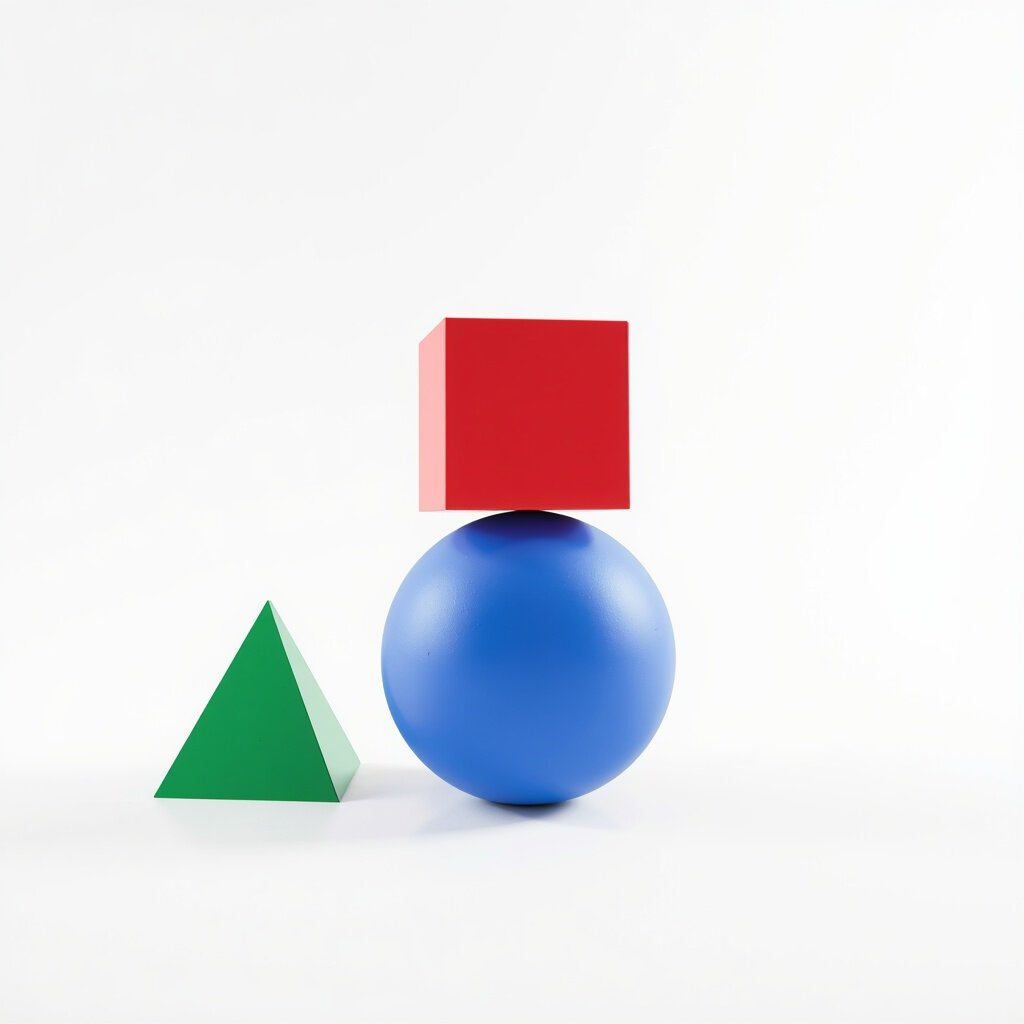
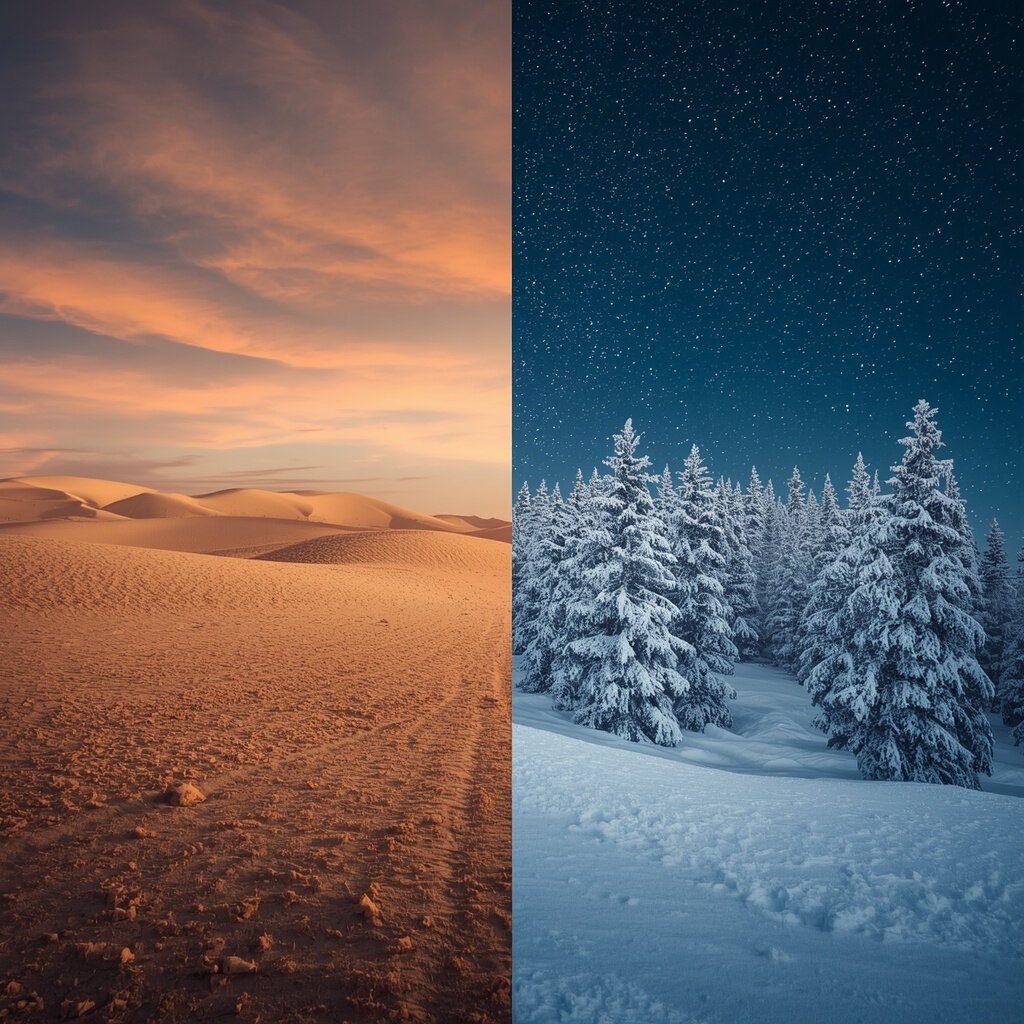
Aces the shapes prompt; misses noon for golden hour on the split scene.

Text rendering7.3

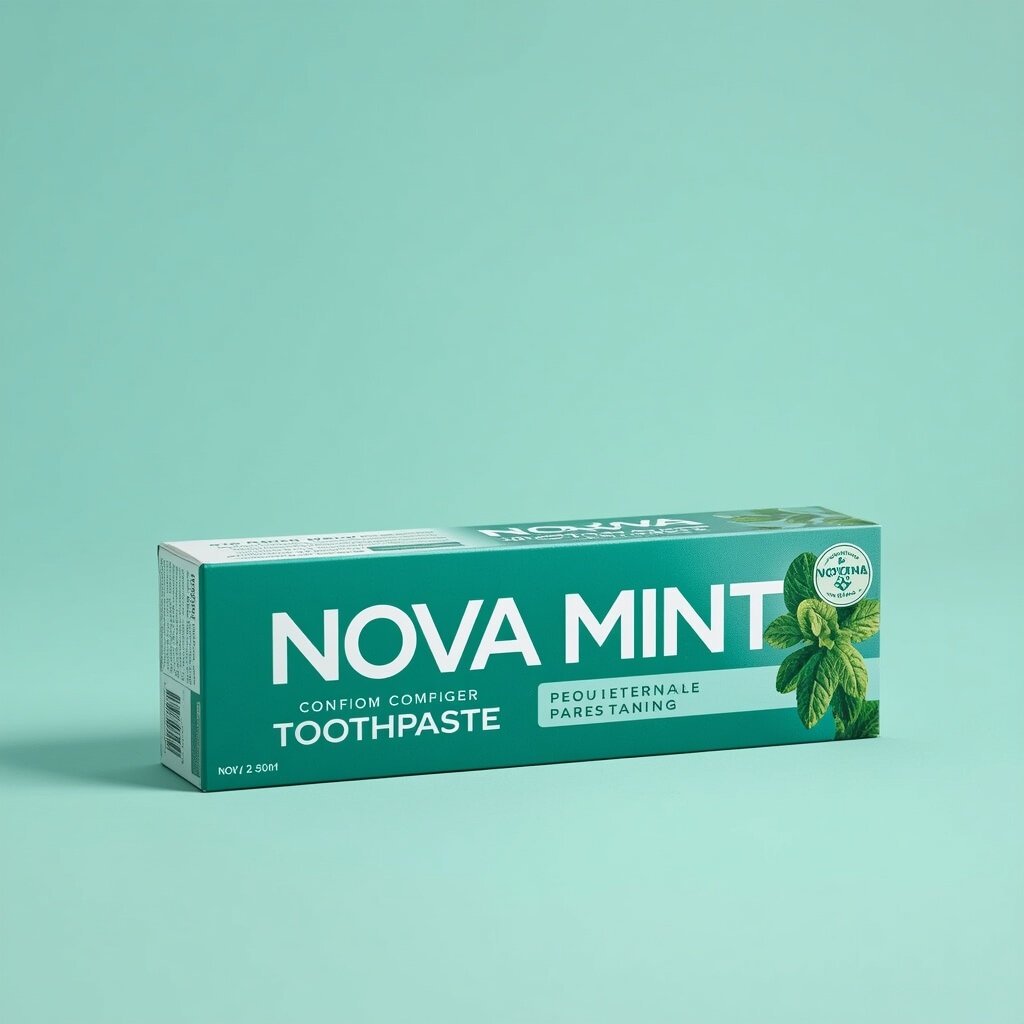
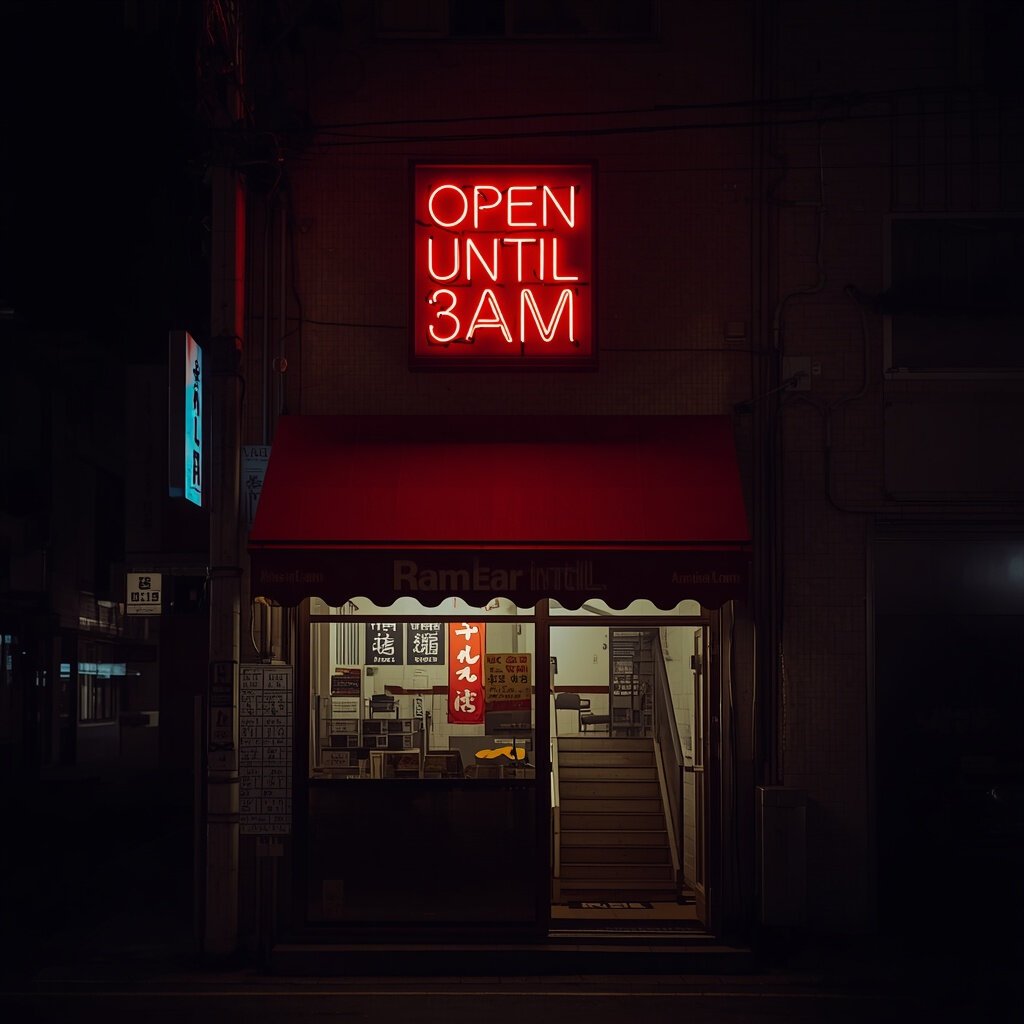
Hero words correct; taglines garble and depth of field is weak.

Hands & anatomy6.3

Its weak spot. It rendered a static hold, not an exchange.

Strengths, and the specific weaknesses

Every point below traces to a specific image above. Leonardo has the widest spread of any tool we've tested, which makes naming the trade-offs essential.

Strengths

Where Leonardo excels

  • The best anime in our benchmark. Its 9.3 illustration was the only one to nail genuine soft cel shading, an authentic sailor uniform, and detailed eyes as a true anime drawing rather than a photo. No other tool matched it on this.
  • Elite photorealism. The fisherman portrait reads the age accurately and honors the no-retouching clause with real skin texture, and the Tokyo scene is the only image in our whole test to render actual falling rain.
  • Ad-grade product shots. The serum bottle scored 9.0, with convincing frosted glass, a correctly straight dropper, and a drop of serum suspended mid-fall.
  • Clean spatial logic when it counts. It passed the hard shapes prompt completely: a real green pyramid, correctly placed, with the cube on the sphere exactly as asked.
  • Genuine model control. Locking to a single flagship model gave a consistent, high-quality result. Creators who want to choose and tune models have real depth here.
Trade-offs

Where it falls short

  • Hands are its clear weakness. It failed the exchange prompt, rendering one person's static two-handed hold instead of a handoff, and the front hand's fingers are misproportioned and merge on close inspection. Its lowest score.
  • It follows mood over precise instructions. Asked for a desert at noon, it produced a beautiful golden-hour scene instead. The lighting is gorgeous and the instruction is wrong, which is exactly the trade-off to know about.
  • Text garbles beyond a headline word. It rendered a neon sign correctly but turned packaging taglines into nonsense, and its foreign-language signage garbles where some other models render it cleanly. For blocks of legible text, look elsewhere.
  • Depth of field can miss. On the neon prompt the requested shallow focus came back mostly deep. Small, but part of the pattern of following the scene more than the spec.

Our testing method, and why it's fair

Most best-of lists rank tools the author never opened. We do the opposite, and the method is deliberately strict so the scores mean something.

Every tool gets the identical nine prompts, pasted verbatim. We use default settings and keep the very first image, with no re-rolls and no picking the best of a batch. For Leonardo, that meant one decision up front: because its automatic mode mixes different models, we locked it to a single flagship (Lucid Origin) so the nine scores measure one consistent engine, comparable to every other tool.

We sell nothing on this list, so there is no commercial reason to rank one tool over another. The scores are the scores.

01

Same nine prompts, every tool

Two prompts each for text, photorealism, and spatial adherence, plus one each for hands, product, and anime.

02

One model, first output

Lucid Origin with automatic selection off, keeping the first image, no re-rolls, so the result reflects a single engine.

03

Three axes, full resolution

Adherence, coherence, and aesthetic, each scored at full size where artefacts actually show. Averaged per image.

04

No sponsorship, nothing for sale

We don't sell the tools we rank. Outbound links go to the tool's official site and are not affiliate links.

Pricing

Leonardo uses a daily-token free tier plus paid subscription plans. Confirm current numbers on Leonardo before subscribing.

Pricing checked August 2026

Free
$0
  • Daily token allowance
  • Access to core models
  • Limits and terms vary, verify on site
Apprentice
~$12/mo
  • Monthly token allocation
  • Faster generation
  • Commercial use
Artisan
~$30/mo
  • Higher token allocation
  • More concurrent generations
  • Everything in Apprentice
Maestro
~$60/mo
  • Top token tier
  • Highest limits
  • For heavy production use

Leonardo also bundles with Canva, and plan names and token amounts change. Verify current pricing on Leonardo directly.

Quick answers

Is Leonardo AI good for anime?

Yes, Leonardo is the best we have tested. In our benchmark its anime illustration scored 9.3, the highest of any tool, and it was the only one to render genuine soft cel shading with an authentic school uniform rather than a photo or a smooth semi-realistic look. For anime and illustration, it is a top pick.

Is Leonardo AI good for realistic images?

Very. Leonardo's photorealism scored 9.0. The fisherman portrait read the age accurately with real skin texture and honored a no-retouching brief, and its rainy street scene was the only image in our whole test to render actual falling rain. Faces and scenes are a real strength.

What is the best Leonardo model?

We tested Lucid Origin, Leonardo's current flagship, and it delivered excellent results across anime, photorealism, and product shots. Leonardo also offers an automatic mode, but it mixes different models per prompt, so for consistent output we recommend picking a single model like Lucid Origin rather than relying on automatic.

Is Leonardo AI good with hands?

This was Leonardo's weakest area, scoring 6.3. On our hand-exchange prompt it produced one person's static two-handed hold rather than a handoff, and the fingers do not hold up on close inspection. If accurate hands are essential to your image, generate a few variations or choose a tool that scored higher here.

Is Leonardo AI free?

Yes, there is a free tier with a daily token allowance and access to core models, no card required to start. Paid plans add more tokens, faster generation, and commercial use. Verify current free limits on Leonardo directly, as token amounts change.

How much does Leonardo AI cost?

The free tier is $0 with daily tokens. Paid plans run roughly $12/month (Apprentice) up to around $60/month (Maestro), with token allocations scaling by tier. Leonardo also bundles with Canva. Confirm current pricing on Leonardo, as plans change.

How did you test Leonardo AI?

We ran nine fixed prompts through Leonardo on the Lucid Origin model with automatic selection turned off, keeping the first image each time with no re-rolls. Every generator we review gets the identical nine prompts, scored on the same three-axis rubric. We sell none of the tools we rank, and we disclose exactly which model we tested.

THE BOTTOM LINE

A specialist that rewards knowing what it's for

Leonardo, on Lucid Origin, is one of the strongest creative tools we've tested, with the best anime result in our benchmark and elite photorealism and product work. But it is a specialist, not an all-rounder: it fumbles hands and follows the mood of a prompt over its precise details. Reach for it for illustration, portraits, and product shots. For legible text or exact instructions, choose more carefully.

For creators who want deep model control and beautiful output in its strong categories, Leonardo is a genuinely excellent choice, as long as you know where its edges are.

Buy it if

You want the best anime and illustration we've tested, strong photoreal and product shots, and fine control over models and styles.

Look elsewhere if

You need reliable hands, legible in-image text, or a tool that follows an exact brief over an attractive interpretation.